
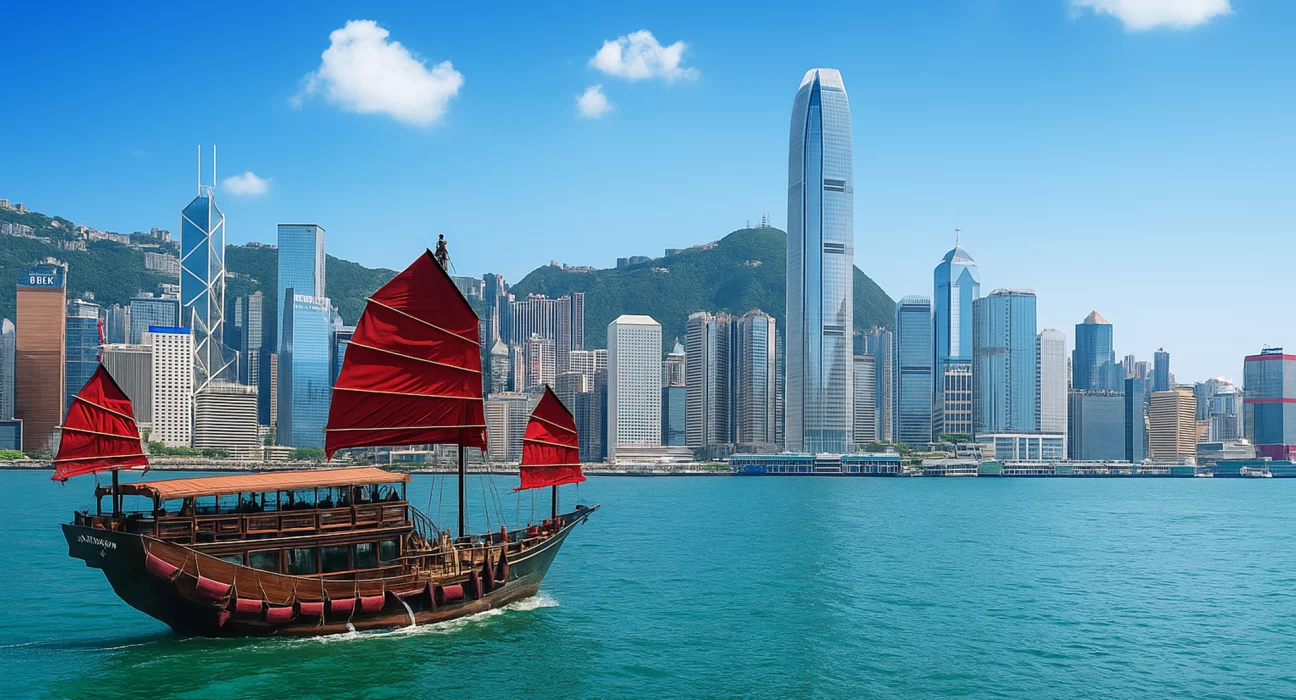
Nestled along the southern coast of China, Hong Kong is more than just a city—it’s a story of resilience, evolution, and global identity. Often referred to as the “Pearl of the Orient,” Hong Kong has earned its place as a financial powerhouse and cultural icon. From its days as a small fishing village to becoming a British colony and now a Special Administrative Region (SAR) of China, the transformation of Hong Kong is nothing short of remarkable.
What makes Hong Kong truly unique is its dual heritage. On one hand, towering skyscrapers, luxury shopping malls, and world-class infrastructure reflect its modern character. On the other, ancient temples, traditional markets, and the lingering influence of Cantonese culture offer a deeper look into its soul. The energy of Hong Kong is relentless—fast-paced, ambitious, and full of contrasts.
People from around the globe are drawn to Hong Kong for different reasons. For travelers, it offers a mesmerizing blend of East and West, city and nature, ancient and futuristic. For professionals, it’s a financial and trade hub, home to multinational corporations and one of the world’s freest economies. For locals and expats, it’s a place where opportunity meets high standards of living, education, and safety.
Why visit, live, or work in Hong Kong? The answer is simple: it’s one of the few places where within an hour, you can go from closing a business deal in a high-rise tower to hiking a mountain trail or savoring dim sum by the harbor. The fusion of city life with scenic escapes, coupled with a global lifestyle and cultural vibrance, makes Hong Kong irresistible.
Whether you’re wandering through the narrow alleys of Mong Kok, enjoying sunset views from Victoria Peak, or immersing yourself in the city’s dynamic job market, Hong Kong never ceases to amaze. Its pulse is global, but its heart remains deeply rooted in Chinese traditions—making it one of the most fascinating places to explore, settle in, or do business.
Table of Contents
Top Questions
Is Hong Kong a part of China?
Yes, Hong Kong is a part of China. It is a Special Administrative Region (SAR) of the People’s Republic of China. Under the framework of “One Country, Two Systems,” Hong Kong maintains its own legal, economic, and administrative systems, separate from mainland China. This unique arrangement was established after Hong Kong was handed back to China from British rule on 1 July 1997.
Is Hong Kong a country or a city?
Hong Kong is not a country, but it functions with a high degree of autonomy like one. It is officially a Special Administrative Region of China. Geographically, it is a city made up of several regions including Hong Kong Island, Kowloon, the New Territories, and more than 260 outlying islands. It operates with its own government, currency, immigration controls, and laws—making it both a city and a region with its own administrative identity.
Why is Hong Kong famous?
Hong Kong is famous for its iconic skyline, world-class public transport, and its role as a global financial hub. It’s known for blending Eastern and Western cultures, offering everything from traditional Chinese temples to modern skyscrapers. The city is also recognized for its street food, luxury shopping, historical significance, and as a gateway to mainland China. Moreover, its events, festivals, and natural beauty—from Victoria Harbour to Dragon’s Back hiking trail—attract millions every year.
Why is Hong Kong so expensive?
Hong Kong is one of the most expensive cities in the world, primarily due to its limited land and high demand for housing. Real estate prices and rents are extremely high, especially in central urban areas. Additionally, costs for international schools, private healthcare, and imported goods drive up daily living expenses. Despite these costs, residents often benefit from world-class infrastructure, high salaries in key sectors, and low income taxes.
Is Hong Kong good for tourists?
Yes, Hong Kong is excellent for tourists. It offers a rich mix of experiences—from luxury shopping and Michelin-starred dining to historic temples, nature trails, and vibrant festivals. The city is easy to navigate thanks to its efficient transport system, and English is widely spoken in tourist areas. Hong Kong also provides safe, clean, and diverse attractions, making it a favorite destination for both leisure and cultural travelers.
Quick Facts
| Country | China (中国) |
| State/Province | Hong Kong SAR (Special Administrative Region) |
| Division/Zone | Hong Kong Island; Kowloon; New Territories; ~263 outlying islands |
| District | 18 district councils (e.g. Kwun Tong, Yau Tsim Mong, Sai Kung) |
| Established | 1842; SAR established on 1 July 1997 |
| Named After | Named “Hong Kong” (meaning “fragrant harbour”) after local pearl export trade |
| Government Type | Devolved executive-led government within a unitary one‑party state |
| Government Body | Executive (led by Chief Executive), Legislative Council, Judiciary under Basic Law |
| Administrator | Chief Executive: John Lee; Chief Secretary: Eric Chan; Council President: Andrew Leung; Chief Justice: Andrew Cheung |
| Area | Total ~2,754.97 km²; Land ~1,114 km²; Water ~1,640 km² (≈59.7%) |
| Elevation | Max elevation 957 m (Tai Mo Shan); Min 0 m (South China Sea) |
| Population (2025) | 7.534 Millions |
| Males | ~3.34 Millions |
| Females | ~4.07 Millions |
| Sex Ratio | ~82 males per 100 females |
| Literacy Rate | ~96% or higher |
| GDP | US $407 billion (2024) (~HK$3.0 trillion); forecast ~US $424 billion in 2025 |
| Time Zone | China Standard Time (UTC+8) |
| PIN Code | (Hong Kong uses postcodes for PO boxes) none used for street addresses |
| Telephone Code | +852 |
| Vehicle Registration | Standard format: “HK” or region code followed by numbers; Hong Kong SAR registration plates |
| Public Transport | Extensive—MTR (metro), buses, trams, ferries (Star Ferry), taxis; connectivity to mainland via High Speed Rail & HZMB bridge |
| Official Language | Chinese (Traditional) and English |
| Spoken Language | Cantonese (primary), English, Mandarin |
| Official Website | www.gov.hk |


Best Things to Do in Hong Kong
Top Attractions and Must-See Spots in Hong Kong
Hong Kong is a destination that sparks wonder at every turn. Whether you’re a first-time visitor or a seasoned traveler, the city offers a dazzling variety of experiences that blend history, modernity, and natural beauty. The compact geography means you can see a lot in a short time—but the sheer number of incredible things to do in Hong Kong will make you want to stay longer.
One of the most iconic experiences in Hong Kong is visiting Victoria Peak, the highest point on Hong Kong Island. The Peak Tram—a historic funicular railway—takes you up to breathtaking panoramic views of the city skyline, Victoria Harbour, and the green hills beyond. It’s a must-do, day or night, as the view transforms with the changing light. Nearby, tranquil walking trails like the Lugard Road Loop offer a quiet contrast to the urban buzz.
Another highlight is Tsim Sha Tsui Promenade, where the Avenue of Stars honors Hong Kong’s cinematic legends like Bruce Lee. From here, you can enjoy stunning views of Hong Kong Island’s skyline, especially during the nightly Symphony of Lights show, which lights up the buildings in a dance of color and sound.
No visit to Hong Kong is complete without exploring Central, the city’s financial heart that’s also rich in attractions. Walk through Lan Kwai Fong and SoHo to experience buzzing nightlife and eclectic eateries. Take a ride on the Mid-Levels Escalator, the world’s longest outdoor covered escalator system. Or dive into the colonial history at the Tai Kwun Centre, a revitalized heritage site that was once a police station and prison.
For culture seekers, Man Mo Temple offers a slice of traditional spiritual life, with incense spirals floating in the air. The Chi Lin Nunnery and Nan Lian Garden in Diamond Hill are peaceful retreats showcasing Tang dynasty architecture, koi ponds, and bonsai gardens—a haven of serenity amid the city.
For families and thrill-seekers, Hong Kong Disneyland on Lantau Island promises magical adventures, while nearby Ngong Ping 360 Cable Car offers a scenic ride up to the Tian Tan Buddha (Big Buddha) and Po Lin Monastery, where spirituality meets the clouds.
Nature lovers will appreciate Dragon’s Back, one of the most scenic hiking trails in Hong Kong, offering ridgeline walks with sea views. Or hop on a ferry to Lamma Island or Cheung Chau, where traditional fishing villages, beaches, and seafood restaurants await.
And let’s not forget the shopping. From the glitzy malls of Harbour City and IFC Mall to the street markets of Ladies Market, Temple Street Night Market, and Stanley Market, Hong Kong is a paradise for shopaholics and bargain hunters alike.
Whether you’re hiking above the sea, cruising the harbor on a traditional junk boat, or discovering street art in hidden corners of the city, the best things to do in Hong Kong are as diverse as its skyline—and endlessly rewarding.
Food & Dining in Hong Kong
A Culinary Wonderland of East Meets West
If there’s one thing Hong Kong does better than almost any other city, it’s food. With over 15,000 restaurants packed into this vibrant metropolis, dining here is not just a necessity—it’s a daily celebration of flavors, traditions, and creativity. Whether you’re craving street-side dim sum, Michelin-starred delicacies, or international fusion, Hong Kong’s culinary scene offers something for every palate.
Start your journey with dim sum, the quintessential Cantonese experience. These small plates, ranging from shrimp dumplings (har gow) to pork buns (char siu bao), are traditionally enjoyed in bustling tea houses like Tim Ho Wan, famously known as the world’s cheapest Michelin-starred restaurant. Another must-visit is Maxim’s Palace, where servers push trolleys of freshly steamed baskets in a grand ballroom setting—a perfect blend of tradition and elegance.
Hong Kong’s street food is legendary. Walk through Mong Kok or Sham Shui Po, and you’ll be lured by the aroma of egg waffles (gai daan jai), fish balls in curry, cheung fun (rice noodle rolls), and the sweet delight of pineapple buns (bo lo bao). These humble bites offer a window into the city’s soul and are often loved more than fine dining.
But Hong Kong isn’t just about local fare—it’s also a global food capital. Thanks to its colonial past and international population, the city boasts world-class cuisines from Japan, France, Italy, India, Thailand, and more. Areas like SoHo and Kennedy Town have evolved into gourmet hubs where stylish restaurants serve everything from sushi and tapas to vegan innovation and dry-aged steak.
If you’re in the mood for seafood, head to Sai Kung or Lei Yue Mun, traditional fishing villages where you can handpick live seafood and have it cooked to your liking. These open-air restaurants offer not only fresh meals but also stunning waterfront views.
For a sky-high experience, book a table at Ozone Bar in the Ritz-Carlton, one of the world’s highest rooftop lounges. Enjoy modern cocktails and international bites while soaking in panoramic views of Victoria Harbour. Or try Lung King Heen, the first Chinese restaurant in the world to receive three Michelin stars, known for its sophisticated Cantonese cuisine and flawless service.
Hong Kong also hosts a series of food events throughout the year, such as the Hong Kong Wine & Dine Festival, International Tea Fair, and Street Food Carnival. These celebrations gather foodies from around the world to indulge in culinary arts, wine tasting, and cultural exchange.
One of the most enchanting things about dining in Hong Kong is how it honors the past while embracing the future. Old family-run noodle shops stand proudly beside chic dessert bars, and ancient recipes are being reinvented by a new wave of creative chefs.
In essence, eating in Hong Kong is a journey across time, cultures, and flavors. Every dish tells a story—of migration, of heritage, of innovation. So, whether you’re feasting on dim sum by the harbor or nibbling fusion tapas in a rooftop bar, know this: in Hong Kong, food is more than a meal. It’s a lifestyle.
Events and Festivals in Hong Kong
The Best Festivals and Cultural Celebrations in Asia’s World City
Hong Kong is a city that never sleeps—and never stops celebrating. With a calendar packed full of traditional festivals, international events, and world-class performances, Hong Kong knows how to throw a party. These events aren’t just spectacles for tourists—they’re a vibrant expression of the city’s soul, mixing Chinese heritage with global flair. Whether you’re watching fireworks over Victoria Harbour or dancing in the streets of Central, every celebration in Hong Kong tells a deeper story.
One of the grandest and most beloved events is the Chinese New Year, usually held in January or February. The entire city transforms into a sea of red lanterns, flower markets, and lion dances. Locals exchange red envelopes (lai see), temples overflow with worshippers, and the Night Parade in Tsim Sha Tsui offers a stunning showcase of floats, performances, and fireworks. It’s a time of joy, family, and renewal that sets the tone for the year ahead.
In spring, the Ching Ming Festival sees families paying respects to their ancestors by visiting cemeteries and burning offerings, while the Cheung Chau Bun Festival, held on a small island southwest of Hong Kong Island, offers a one-of-a-kind experience. Originating from a ritual to drive away evil spirits, the festival is famous for its bun towers, parade of deities, and the thrilling bun-scrambling competition—a quirky, colorful tradition found nowhere else.
Summer brings music and color with the Hong Kong Dragon Boat Festival (Tuen Ng Festival). Thousands gather to watch brightly painted boats race through the harbor, accompanied by the pounding of drums and cheering crowds. It commemorates the patriotic poet Qu Yuan, but it’s also a chance to enjoy rice dumplings (zongzi) and soak up the festive energy.
When autumn arrives, so does the poetic and romantic Mid-Autumn Festival. Parks and promenades glow with lanterns, and families share mooncakes under the full moon. The Tai Hang Fire Dragon Dance, featuring a 67-meter dragon lit with incense sticks, winds its way through narrow streets in a spectacle of light and smoke that blends fire, dance, and history.
Hong Kong also celebrates its diverse international community through global events. The Hong Kong Arts Festival and Clockenflap Music & Arts Festival bring in world-class performers, orchestras, and indie bands. The Hong Kong International Film Festival is a prestigious event on the Asian cinema circuit, while Art Basel Hong Kong draws collectors and creatives from around the globe.
For sports fans, the Hong Kong Sevens is a rugby tournament like no other—part sporting event, part costume party. Held in spring, it fills the Hong Kong Stadium with an electric atmosphere and fans in outrageous outfits, all celebrating fast-paced action and team spirit.
And don’t forget the New Year’s Eve Fireworks Countdown at Victoria Harbour. Thousands gather on both sides of the waterfront, and the skyline comes alive in a spectacular show that lights up the entire city to welcome the new year with joy and optimism.
Whether rooted in centuries-old traditions or contemporary global culture, events in Hong Kong are moments of unity, pride, and shared joy. They bring together locals, expats, and visitors, reminding everyone that this city—so fast and future-focused—still pauses to celebrate life, light, and legacy.
Outdoor Activities and Nature in Hong Kong
Exploring the Great Outdoors: Hiking, Beaches, and Green Escapes in the City
Despite its towering skyline and reputation as a bustling financial hub, Hong Kong is a paradise for outdoor lovers. With over 40% of its land designated as country parks and nature reserves, this city offers more than just urban energy—it provides fresh air, forest trails, hidden waterfalls, and some of the best beaches in East Asia. Whether you’re a weekend adventurer or a nature-seeking traveler, outdoor activities in Hong Kong are not just accessible—they’re unforgettable.
Let’s begin with hiking, which is practically a way of life here. The most famous trail is the Dragon’s Back, located on the eastern side of Hong Kong Island. It’s consistently rated as one of the world’s best urban hikes for a reason. Winding over mountain ridges, the trail offers panoramic views of Shek O Beach, Big Wave Bay, and the South China Sea. The hike ends with a refreshing dip in the ocean—just one example of how nature and city blend seamlessly in Hong Kong.
For more challenging routes, explore the MacLehose Trail, a 100-kilometer path that crosses the New Territories. One section takes you through Sai Kung East Country Park, known as Hong Kong’s “back garden,” where you’ll find emerald forests, coastal cliffs, and Tai Long Wan—a remote beach with golden sand and clear blue water. It’s a dream for surfers and campers alike.
If hiking isn’t your thing, consider cycling in Tai Mei Tuk, a scenic lakeside route near Plover Cove Reservoir, or take a boat to Sharp Island, famous for its tombolo—a natural sand bridge that appears during low tide. You can also go kayaking around Hoi Ha Wan Marine Park, where coral reefs and marine life thrive.
Nature isn’t just tucked away in remote parks—it’s in the heart of the city too. Victoria Peak Garden offers manicured landscapes and picnic spots, while Hong Kong Park in Central is a peaceful oasis featuring waterfalls, an aviary, and a tea museum. In Kowloon, Kowloon Walled City Park is both a historical landmark and a green retreat.
For beach lovers, Hong Kong delivers beyond expectations. Repulse Bay, Stanley, and Deep Water Bay are ideal for sunbathing, swimming, and beachfront dining. If you prefer less crowded shores, head to Big Wave Bay for surfing, or Cheung Sha Beach on Lantau Island—one of the longest and cleanest in the region.
Wildlife lovers can venture to Mai Po Nature Reserve, a haven for migratory birds, including endangered black-faced spoonbills. Or take a dolphin-watching tour to catch glimpses of the rare Chinese white dolphin, sometimes spotted off Lantau’s western coast.
Camping is another great way to experience the wilder side of Hong Kong. Sites like Long Ke Wan, Tap Mun (Grass Island), and Nam Shan offer the chance to sleep under the stars with the sound of waves or rustling leaves in the background.
One of the most surprising things about Hong Kong’s outdoor scene is how reachable everything is. A 30-minute MTR ride or ferry trip can take you from urban hustle to total wilderness. Whether it’s a peaceful morning hike, a weekend beach day, or a night spent around a campfire, Hong Kong invites you to slow down, breathe deep, and reconnect with nature—all within reach of the city’s heartbeat.
Geography and Location of Hong Kong
Where Land, Sea, and Sky Meet in Harmony
Hong Kong is a city that defies expectations. Often visualized as a dense jungle of skyscrapers, it’s actually one of the most geographically diverse and beautifully positioned cities in the world. Located on the southern coast of China, along the eastern side of the Pearl River Delta, Hong Kong enjoys a stunning mix of urban landscapes, forested hills, and island coastlines. Its strategic location has been a key factor in its historical and economic development, placing it at the heart of Asia’s trade and finance.
Geographically, Hong Kong is divided into three main regions: Hong Kong Island, the Kowloon Peninsula, and the New Territories, along with over 260 outlying islands. Each region has its own unique terrain, culture, and personality. Hong Kong Island, where the original British colony was established in 1841, is home to Central—the city’s commercial and financial heart. Here, glass towers rise dramatically from hilly terrain, overlooking Victoria Harbour, one of the world’s busiest and most beautiful ports.
Across the harbor lies Kowloon, a vibrant district known for its bustling markets, dense neighborhoods, and rich cultural heritage. This area blends the modern with the traditional—luxury malls sit alongside century-old temples and local food stalls. Beyond Kowloon, the New Territories stretch toward the Chinese border, offering vast green spaces, mountains, villages, and even farmland. This region is often overlooked by tourists, but it’s where some of the city’s most authentic and peaceful experiences await.
Perhaps the most distinctive geographical feature of Hong Kong is its coastline—a sprawling 733 kilometers (about 455 miles) of bays, coves, cliffs, and beaches. This explains why ferries are a vital part of everyday life, connecting people from island to island. Islands like Lantau, Lamma, Cheung Chau, and Peng Chau each offer their own rhythm of life, from fishing villages and hiking trails to sacred Buddhist sites and scenic viewpoints.
In terms of terrain, Hong Kong is surprisingly mountainous. The city’s highest peak, Tai Mo Shan, rises 957 meters (3,140 feet) above sea level and is often shrouded in mist, offering spectacular views and refreshing breezes. Much of the inland region is covered in country parks and nature reserves, home to diverse wildlife and lush vegetation.
The city is also crisscrossed by rivers and reservoirs, such as the Shing Mun River, Plover Cove, and High Island Reservoir, which not only supply fresh water but are also recreational havens for kayaking, bird-watching, and picnicking.
Its proximity to Shenzhen—a booming tech city in mainland China—and its location at the mouth of the Pearl River Delta also give Hong Kong a logistical advantage. It serves as a natural gateway between China and the world, supported by deep-water ports and one of the busiest international airports globally, Hong Kong International Airport, built on reclaimed land off Lantau Island.
What’s remarkable about Hong Kong’s geography is not just its beauty, but how it shapes daily life. You can wake up to mountain views, work in a sleek skyscraper by the harbor, and take a sunset ferry to a peaceful beach—all in a single day. The landscape dictates everything from housing to recreation, and it constantly reminds residents and visitors that nature is never far away, even in one of the world’s most urbanized cities.
Hong Kong’s geography isn’t just a backdrop—it’s a living, breathing part of its identity. It’s where old meets new, where land meets sea, and where tradition meets innovation. That harmony of extremes is what makes the city so captivating.
Climate and Environmental Context of Hong Kong
A City of Four Seasons and Ever-Evolving Ecosystems
Hong Kong’s climate is as dynamic and multifaceted as the city itself. Defined by a subtropical climate, Hong Kong experiences distinct seasonal changes that shape its daily rhythm, natural landscapes, and even local culture. From humid summers to dry, mild winters, the weather plays a crucial role in how people live, commute, eat, and play in this fast-paced city.
The year begins with winter, which lasts from December to February. Winters in Hong Kong are cool but generally mild, with average temperatures ranging from 12°C to 20°C (54°F to 68°F). It’s the driest season, with crisp air and low humidity, making it ideal for outdoor activities like hiking the Dragon’s Back or walking through the quiet courtyards of Chi Lin Nunnery. While snowfall is unheard of in the city, the mountain tops of Tai Mo Shan can occasionally see frost during particularly cold spells—an event that excites locals and draws nature photographers.
Spring arrives in March and lasts until May, bringing warmer temperatures and higher humidity. The city begins to bloom—literally and figuratively. Cherry blossoms appear in Kadoorie Farm, and parks across Hong Kong turn into vibrant carpets of flowers. However, this season also marks the beginning of the rainy period, with occasional thunderstorms and fog, especially over the highlands and hills. The misty atmosphere often gives the city a cinematic, surreal beauty, particularly when skyscrapers peek through the clouds.
Summer (June to August) is hot, humid, and dramatic. Temperatures often soar above 32°C (90°F), and humidity levels exceed 85%, making it feel even warmer. This is also typhoon season, when tropical cyclones may approach the region, bringing intense rains and powerful winds. Hong Kong has a well-developed system for typhoon warnings and flood alerts, ensuring the safety of its residents. On clearer days, summer is a perfect time to hit the beaches at Shek O or take a ferry to Lantau for a refreshing sea breeze.
Autumn, from September to November, is considered the most pleasant season. The weather turns cooler and drier, skies are clear, and the air feels fresher. It’s a favorite time for locals and tourists to explore the city’s outdoor attractions, such as the Mid-Autumn Festival under the full moon, or hiking up Sunset Peak for views bathed in golden light.
Hong Kong’s environmental context is closely tied to its topography and urban development. With more than 40% of land preserved as green space, the city has a surprising amount of biodiversity. Its hills, wetlands, and coastal areas are home to over 3,000 species of plants, 50 species of mammals, and nearly 500 bird species. The Mai Po Nature Reserve and Hong Kong Wetland Park are crucial conservation areas where endangered species like the black-faced spoonbill find sanctuary.
However, as with many modern metropolises, Hong Kong faces environmental challenges. Air pollution, particularly from traffic and industrial activity in nearby regions, remains a concern, especially during periods of low wind in winter. Waste management and marine plastic pollution are also pressing issues, prompting government initiatives to promote recycling, reduce single-use plastics, and clean up coastlines.
The city is actively embracing sustainability goals, with green architecture projects, electric buses, and environmental education programs. Rooftop gardens, vertical farming, and smart city designs are beginning to redefine urban living in Hong Kong, blending ecological awareness with technological advancement.
In sum, the climate of Hong Kong does more than dictate what to wear—it influences the city’s pace, its lifestyle, and even its festivals. Whether you’re hiking in winter, dodging typhoons in summer, or watching lanterns float in the crisp autumn air, the weather is always part of the Hong Kong experience. And as the city evolves, so too does its relationship with nature—striving for balance between dense urbanism and environmental responsibility.
History and Culture of Hong Kong
A Tapestry of East and West, Past and Present
The story of Hong Kong is one of dramatic transformation, cultural fusion, and enduring spirit. From its early roots as a fishing village to becoming a British colony, and later evolving into a global financial powerhouse and Special Administrative Region (SAR) of China, Hong Kong’s history is anything but ordinary. It is a city where the past is never forgotten—even as the skyline stretches ever upward—and where centuries-old traditions thrive beside gleaming skyscrapers.
Hong Kong’s earliest recorded settlements date back more than 5,000 years, with the region historically inhabited by fishing and farming communities. During the Qin and Han dynasties, it was incorporated into Chinese imperial rule, yet remained a quiet backwater for centuries. The turning point came in the 19th century, when the First Opium War (1839–1842) between Britain and China resulted in the Treaty of Nanking, which ceded Hong Kong Island to the British.
Over the years, Kowloon (in 1860) and the New Territories (in 1898, under a 99-year lease) were added, expanding British control. Under British rule, Hong Kong grew rapidly, transforming from a sleepy outpost to a vibrant port and trading hub. The city’s harbor, free-market policies, and strategic location made it a gateway between East and West—an identity that continues to define it today.
Despite facing World War II and Japanese occupation (1941–1945), post-war Hong Kong rebounded with astounding energy. Refugees from mainland China brought skills, labor, and entrepreneurial drive, laying the foundation for an economic miracle. By the 1970s and 1980s, Hong Kong had become a major manufacturing center and was beginning to pivot into finance, trade, and services.
The most pivotal event in modern times was the 1997 Handover, when sovereignty over Hong Kong was transferred from the United Kingdom to China under the principle of “One Country, Two Systems.” This arrangement granted Hong Kong a high degree of autonomy, its own legal system, and freedoms not found in mainland China. It became a Special Administrative Region with its own mini-constitution: the Basic Law.
Since the handover, Hong Kong has maintained its status as a global financial center, but not without political and social challenges. Large-scale demonstrations in 2014 (the Umbrella Movement) and 2019 (over the extradition bill) highlighted deep concerns about autonomy, identity, and governance. These events continue to shape Hong Kong’s evolving story as it balances its unique status within China with its global outlook.
But beyond politics, Hong Kong’s culture is its soul—a rich blend of Chinese heritage and Western influence. You see it in everyday life: people celebrating both Chinese New Year and Christmas, sipping milk tea while eating dim sum, or practicing feng shui in corporate skyscrapers. The local Cantonese dialect, spoken alongside English and Mandarin, is an essential part of the city’s character, especially in movies, music, and television.
The arts scene is vibrant and diverse. From Cantonese opera at the Xiqu Centre to contemporary exhibitions at M+ Museum, Hong Kong balances respect for tradition with a thirst for modern expression. Street art flourishes in places like Sheung Wan and Central, while temples like Wong Tai Sin and Man Mo preserve spiritual customs that date back centuries.
Festivals in Hong Kong are immersive cultural experiences. The Dragon Boat Festival, Mid-Autumn Festival, Ghost Festival, and Lunar New Year bring communities together in celebration, reflection, and connection with ancestral traditions. Even food is part of this cultural identity—from symbolic dishes like turnip cake during Lunar New Year to rice dumplings shared during Dragon Boat season.
In essence, Hong Kong’s history and culture are layered, nuanced, and ever-changing. It is a place where the British colonial past meets Chinese tradition, where capitalist dynamism coexists with grassroots activism, and where every street corner whispers stories of survival, reinvention, and pride.
The beauty of Hong Kong lies not just in what it has become, but in everything it has been—and everything it continues to strive toward. It’s a living, breathing culture that refuses to be simplified, offering both residents and visitors a rare and compelling sense of identity that is uniquely its own.
Sports in Hong Kong
Where Competition Meets Culture and Community
Sports in Hong Kong are more than physical activity—they’re a celebration of culture, discipline, and community. Despite its dense urban layout and vertical skyline, Hong Kong is a remarkably sporty city. From world-class stadiums to mountain trails and seaside courts, residents embrace an active lifestyle that blends traditional Chinese martial arts with modern global sports.
At the heart of Hong Kong’s sporting culture is its love for variety. Whether you’re a fan of rugby, football, dragon boat racing, or martial arts like Wing Chun and Tai Chi, there’s something for everyone. The city’s diverse population and international outlook have led to a vibrant sports scene that reflects both Eastern traditions and Western influences.
One of the most iconic sporting events in the city is the Hong Kong Sevens, part of the World Rugby Sevens Series. Held annually at the Hong Kong Stadium, this three-day event draws fans from all over the world, many of them dressed in wild costumes, creating an electric and carnival-like atmosphere. More than just a rugby tournament, it’s a cultural event that symbolizes Hong Kong’s global spirit and hospitality.
Dragon boat racing, rooted in ancient Chinese folklore, is another highlight of the city’s sports calendar. The Dragon Boat Festival, typically held in June, sees thousands of paddlers compete in colorful boats across Victoria Harbour, Stanley, and Sha Tin. The rhythmic drumbeats and roaring cheers capture the essence of community, tradition, and athleticism.
When it comes to everyday participation, Hongkongers are incredibly active. Running and hiking are favorite pastimes thanks to the city’s expansive network of trails. Races like the Standard Chartered Hong Kong Marathon, TransLantau, and The Green Race attract local and international athletes alike. The accessibility of trails—from the forested paths of Tai Mo Shan to the coastal stretches of Sai Kung—makes it easy for both beginners and experienced athletes to stay fit while enjoying nature.
Football (soccer) also has a strong following. The Hong Kong Premier League showcases local talent, and major European clubs often visit the city for friendlies and promotional tours. Stadiums like Mong Kok Stadium and Hong Kong Stadium host matches that bring together a passionate fan base.
Basketball, badminton, and table tennis are extremely popular, especially among youth. You’ll find public courts in nearly every neighborhood, many of them buzzing late into the night. These sports are accessible, affordable, and deeply embedded in daily life.
The city has also invested in sports infrastructure, with modern venues such as the Kai Tak Sports Park (under development), Hong Kong Velodrome, and Hong Kong Sports Institute, which support elite athletes and international events. The government and NGOs regularly promote health through community-based sports programs and fitness campaigns.
When it comes to martial arts, Hong Kong is legendary. It is the birthplace of international icons like Bruce Lee, who introduced the world to kung fu, and Ip Man, the famed Wing Chun master. Martial arts schools are scattered throughout the city, where locals and foreigners alike train in disciplines that combine self-defense, meditation, and cultural heritage.
Water sports are also thriving in Hong Kong thanks to its coastline. Sailing, windsurfing, kayaking, and stand-up paddleboarding are popular, especially in places like Sai Kung, Stanley, and Clear Water Bay. The Royal Hong Kong Yacht Club hosts regattas, and even Olympic medalists have trained in the city’s waters.
Hong Kong has made a name for itself on the international stage, too. It has sent athletes to the Olympic Games, Asian Games, and Paralympic Games, achieving medals in events like windsurfing, fencing, and table tennis. These successes have inspired a new generation of young athletes and highlighted the city’s dedication to sport as a symbol of unity and excellence.
In summary, sport in Hong Kong is more than recreation—it’s a reflection of the city’s energy, diversity, and determination. From ancient traditions like dragon boating to global events like the Hong Kong Sevens, sport in Hong Kong binds people together, celebrates identity, and proves that even in a city known for its hustle, there’s always time to play.
Shopping and Entertainment in Hong Kong
Where Style, Lights, and Culture Never Sleep
When it comes to shopping and entertainment, Hong Kong is in a league of its own. Known as a shopper’s paradise and a global entertainment hotspot, the city offers everything from luxury malls and traditional markets to world-class theaters and vibrant nightlife. Day or night, weekday or weekend, Hong Kong keeps the fun going—and the credit cards swiping.
Let’s start with shopping, an experience deeply woven into the fabric of daily life here. Hong Kong boasts no sales tax, making it a magnet for luxury shoppers from all over the world. The upscale shopping scene is anchored in areas like Central, Causeway Bay, and Tsim Sha Tsui, where you’ll find designer boutiques, flagship stores, and multi-level malls like IFC Mall, Harbour City, Pacific Place, and Times Square. These retail landmarks carry international brands such as Chanel, Louis Vuitton, Gucci, and Rolex, as well as local fashion designers making waves on the global scene.
But shopping in Hong Kong isn’t all high-end. The true heartbeat of the city is felt in its street markets. Wander through Ladies Market in Mong Kok, and you’ll find clothes, accessories, and quirky souvenirs at bargain prices. Stroll down Temple Street Night Market for electronics, antiques, and fortune tellers under neon lights. Visit Stanley Market on the south side for handcrafted items, paintings, and silk garments—perfect for tourists and locals seeking unique pieces.
Tech lovers head to Golden Computer Arcade in Sham Shui Po or Wan Chai Computer Centre, where gadgets, games, and gear are sold at competitive prices. Meanwhile, Sneaker Street and Fashion Walk offer curated zones for streetwear fans and trendsetters alike.
Now, switch gears from shopping bags to big screens and music halls—because Hong Kong’s entertainment scene is just as thrilling. The city is a cultural crossroads where Cantonese opera shares space with Hollywood blockbusters, and where indie music, stand-up comedy, and contemporary theater flourish.
Catch a movie in style at The Grand Cinema or MCL Cinemas, which often offer 4D or IMAX experiences. For live performances, the Hong Kong Cultural Centre in Tsim Sha Tsui and the Xiqu Centre in West Kowloon showcase everything from traditional Chinese opera to ballet, orchestras, and modern plays.
In recent years, venues like M+ Museum and Tai Kwun Centre for Heritage and Arts have become cultural hubs—offering immersive exhibitions, contemporary installations, and open-air events. These places prove that art and culture are not confined to galleries; they’re part of everyday life in Hong Kong.
When the sun sets, the city lights up—literally. Hong Kong is famous for its vibrant nightlife, especially in districts like Lan Kwai Fong, SoHo, and Tsim Sha Tsui East. Here, you can enjoy everything from rooftop bars and speakeasies to lively pubs and elegant jazz lounges. Don’t miss Ozone Bar on the 118th floor of the Ritz-Carlton—one of the highest bars in the world, offering cocktails and a view you’ll never forget.
Music festivals and concerts frequently feature both local talents and global superstars. Events like Clockenflap, Creamfields Hong Kong, and S2O Music Festival draw thousands of fans and bring international flair to the city’s entertainment calendar.
Shopping and entertainment in Hong Kong are not just pastimes—they’re an experience, a lifestyle, and often, a reason people fall in love with the city. Whether you’re hunting for vintage treasures in a back-alley market, sipping champagne while overlooking the harbor, or cheering on a live band under the stars, Hong Kong gives you more than a moment—it gives you a memory.
Best Neighborhoods or Regions in Hong Kong
Discovering the Diverse Districts of Asia’s World City
Hong Kong’s neighborhoods are as varied and vibrant as the city itself. Each area offers a unique flavor, lifestyle, and set of attractions, making the city an exciting place for both residents and visitors. Whether you’re looking for bustling urban energy, quiet village charm, or seaside tranquility, Hong Kong’s districts have something to suit every taste and need.
Central is the beating heart of Hong Kong’s business and financial world. It’s home to soaring skyscrapers, luxury hotels, and the headquarters of global corporations. Beyond the glass towers, you’ll find historic colonial buildings, upscale shopping malls, and trendy dining spots. The district also offers easy access to green spaces like Hong Kong Park and cultural venues like Tai Kwun, a revitalized heritage site. Central is perfect for those who want to be in the middle of the action, whether for work or play.
Just across the harbor, Tsim Sha Tsui (TST) in Kowloon is a shopper’s paradise and cultural hub. With attractions like the Hong Kong Museum of Art, Avenue of Stars, and the bustling Nathan Road, TST blends tourist hotspots with vibrant street life. The waterfront promenade offers stunning views of Hong Kong Island’s skyline, especially during the nightly Symphony of Lights show. TST suits visitors who crave entertainment, shopping, and easy access to transport.
For a more traditional vibe, Mong Kok is famous for its bustling markets and street culture. Here you’ll find the Ladies Market, Flower Market, and countless street food stalls. It’s one of the most densely populated areas in the world, alive with neon lights and local hustle. Mong Kok is ideal for those wanting an authentic slice of Hong Kong’s everyday life, with affordability and endless excitement.
If you prefer a quieter, more residential feel, Mid-Levels offers a lush, hillside retreat close to Central. Known for its luxury apartments and scenic views, it’s popular among expats and professionals seeking peace without losing proximity to the city center. The famous Mid-Levels Escalator connects this area to the bustling streets below, blending convenience with calm.
On the south side of Hong Kong Island, Repulse Bay and Stanley are well-loved for their beaches, relaxed atmosphere, and seaside dining. These neighborhoods attract families, retirees, and anyone wanting a coastal lifestyle away from the dense urban core. Stanley Market offers handcrafted souvenirs and local art, while Repulse Bay boasts luxury homes and scenic promenades.
For those interested in cultural diversity and historical roots, Sham Shui Po in Kowloon is a gem. It’s a working-class neighborhood with a vibrant textile industry, electronic markets, and street food. Despite being less polished than other districts, Sham Shui Po pulses with creativity and community spirit, attracting artists, designers, and foodies.
The New Territories offer a contrasting experience—more spacious, greener, and traditional. Areas like Sai Kung provide access to hiking trails, seafood villages, and water sports, perfect for nature lovers. Towns like Sha Tin and Tsuen Wan combine residential neighborhoods with shopping malls and public parks, offering a family-friendly environment with good schools and transport links.
For newcomers or those relocating, neighborhoods like Kowloon Tong and Tai Hang are prized for their safety, schools, and quiet charm. These areas combine urban convenience with a village-like feel, making them popular among families and expats.
Hong Kong’s diversity in neighborhoods reflects its global character. From ultra-modern business districts to rustic fishing villages, from lively markets to tranquil beaches, the city offers a neighborhood for every lifestyle and preference. Whether you seek luxury, culture, nature, or tradition, you’ll find a corner of Hong Kong to call home or explore.
Economy of Hong Kong
Asia’s Financial Powerhouse with a Resilient and Dynamic Economy
The economy of Hong Kong stands as a remarkable testament to its role as a global financial and trading hub. Despite its relatively small size—just over 1,100 square kilometers—the city punches far above its weight, ranking among the world’s leading economic centers. Its strategic location, business-friendly environment, and robust infrastructure have made Hong Kong a magnet for investment, innovation, and international commerce.
Hong Kong’s GDP in recent years has hovered around US$400 billion, placing it among the top 30 economies worldwide. It enjoys one of the highest per capita GDP figures in Asia, reflecting a high standard of living and vibrant economic activity. The service sector dominates the economy, accounting for over 90% of GDP, with finance, insurance, real estate, and professional services leading the charge.
The city’s stock exchange is one of the largest globally by market capitalization and is a preferred listing venue for companies from mainland China and beyond. This underscores Hong Kong’s role as a financial gateway to China, while retaining an independent regulatory system under the “One Country, Two Systems” principle.
Historically, Hong Kong thrived as a manufacturing powerhouse in the mid-20th century, especially in textiles and electronics. However, from the 1980s onward, the economy shifted toward high-value services and finance, with many factories relocating to mainland China. This transition allowed Hong Kong to evolve into a global finance center, a role it continues to strengthen.
Trade remains a cornerstone of the economy. Hong Kong’s port is one of the busiest in the world, and the city acts as a vital re-export hub, connecting manufacturers in Asia with global markets. The Hong Kong International Airport supports extensive cargo operations, further boosting logistics and trade.
Despite its successes, Hong Kong faces economic challenges. Rising income inequality, high living costs, and housing shortages affect many residents. The Gini coefficient, a measure of income inequality, remains one of the highest in developed economies. The government has implemented social welfare programs and housing initiatives, but affordable housing remains a major concern.
The city is also navigating political and economic shifts related to its relationship with mainland China, global trade tensions, and the evolving post-pandemic landscape. Recent efforts focus on innovation and technology, including investments in fintech, biotech, and smart city infrastructure to diversify the economy and create new opportunities.
Population-wise, Hong Kong is home to around 7.5 million people, a dense and multicultural community with significant expatriate and immigrant populations. Its workforce is skilled, multilingual, and entrepreneurial, supported by a strong education system and international business environment.
Hong Kong’s future economic outlook remains cautiously optimistic. Its reputation for rule of law, transparency, and efficient governance continues to attract multinational corporations, startups, and investors. The city’s integration with the Greater Bay Area initiative aims to strengthen ties with neighboring cities like Shenzhen and Guangzhou, creating a massive economic zone that leverages the strengths of each partner.
In summary, Hong Kong’s economy is a dynamic blend of finance, trade, innovation, and resilience. It is a city that has continually reinvented itself, balancing tradition and modernization, local identity and global ambition. For businesses, residents, and visitors alike, Hong Kong remains a land of opportunity and possibility.
Education and Job Opportunities in Hong Kong
Building Bright Futures in a Global City
Education and employment in Hong Kong form the backbone of its status as a leading international metropolis. Known for its high-quality schools, world-class universities, and dynamic job market, Hong Kong attracts students, professionals, and entrepreneurs from around the world, all seeking to thrive in its competitive yet supportive environment.
The city’s education system follows the local curriculum overseen by the Education Bureau, with compulsory education lasting 12 years—six years of primary and six years of secondary schooling. Hong Kong boasts a wide range of schools, including public, private, international, and bilingual options, catering to the needs of its diverse population. International schools offering British, American, Canadian, and IB curricula are especially popular among expatriate families.
For higher education, Hong Kong is home to some of Asia’s top universities, such as the University of Hong Kong (HKU), Chinese University of Hong Kong (CUHK), and Hong Kong University of Science and Technology (HKUST). These institutions are globally ranked and known for strong research output, innovative programs, and strong industry partnerships. They offer a broad spectrum of disciplines, from business and engineering to arts and medicine, attracting both local and international students.
Vocational training and continuing education are also emphasized through institutions like the Hong Kong Polytechnic University and various technical colleges, supporting skill development aligned with evolving economic needs.
The city’s job market is vibrant, driven by its status as a global financial center and gateway to China. Key industries include finance and banking, professional services, technology and innovation, logistics and trade, tourism and hospitality, and increasingly, creative industries like design and media.
Hong Kong’s strong ties with mainland China and its international networks create abundant career opportunities. Multinational corporations, startups, and regional headquarters base their operations here, providing jobs that range from entry-level to executive positions. The government also supports entrepreneurship through incubators and funding schemes aimed at fostering innovation and small business growth.
Work culture in Hong Kong is fast-paced and competitive, reflecting the city’s drive for excellence. English and Cantonese are widely used in professional settings, and increasingly, Mandarin is important due to close business ties with mainland China.
Despite the city’s economic strength, challenges remain. The high cost of living, including housing and education fees, can strain families and young professionals. There’s also growing concern about youth unemployment and underemployment in certain sectors, prompting government and NGO initiatives focused on skills training, career counseling, and promoting STEM education.
For foreigners considering work or study in Hong Kong, the city offers a transparent visa and immigration system, though paperwork and residency requirements can be detailed. The Quality Migrant Admission Scheme and Talent List are government programs designed to attract skilled professionals in high-demand fields.
In conclusion, Hong Kong offers a rich landscape of educational and career opportunities, supported by prestigious institutions and a dynamic economy. Whether you are a student seeking world-class learning or a professional aiming for a career on the international stage, Hong Kong’s unique blend of East and West, tradition and innovation, provides an inspiring environment to grow and succeed.
Infrastructure and Connectivity in Hong Kong
The Backbone of a World-Class City
Hong Kong’s infrastructure and connectivity are pillars of its global reputation as a thriving metropolis. With world-class facilities, efficient urban planning, and seamless integration of technology, the city supports millions of residents, businesses, and visitors every day, ensuring life moves smoothly amid its dense population and challenging geography.
The city’s infrastructure reflects decades of careful development and innovation. From towering skyscrapers with advanced building technologies to extensive public facilities, Hong Kong is built for resilience and growth. Its water supply system is world-renowned for safety and reliability, while the electricity grid supports one of the highest energy consumptions per capita in Asia, balancing industrial and residential needs.
Urban planning in Hong Kong is strategic and multifaceted. The government follows strict zoning laws that separate residential, commercial, industrial, and green spaces. This planning allows the city to maximize limited land while maintaining quality of life. For instance, New Towns such as Sha Tin, Tseung Kwan O, and Tuen Mun have been developed to alleviate overcrowding in urban cores by providing affordable housing, schools, parks, and shopping centers.
Hong Kong also pioneers smart city initiatives, integrating technology in transport, energy management, public safety, and environmental monitoring. These projects aim to improve sustainability, reduce congestion, and enhance public services. The government’s push for green buildings and renewable energy adoption reflects a growing commitment to environmental responsibility alongside economic growth.
Connectivity is one of Hong Kong’s greatest strengths. The city serves as a major transportation hub in Asia, linking air, sea, rail, and road networks. The Hong Kong International Airport, situated on reclaimed land near Lantau Island, is one of the busiest and best-connected airports worldwide, offering direct flights to over 200 destinations.
Hong Kong’s deep-water port is among the busiest globally, equipped with advanced container terminals and logistics facilities. It acts as a critical gateway for trade, particularly in the Pearl River Delta region, connecting mainland China’s manufacturing powerhouse with global markets.
Public transport is efficient, affordable, and extensive. The Mass Transit Railway (MTR) is the city’s transit backbone, with over 240 kilometers of track covering Hong Kong Island, Kowloon, and the New Territories. MTR trains are punctual, clean, and safe, serving millions daily. Complementing the MTR are buses, trams (the iconic double-decker trams on Hong Kong Island), ferries, and taxis—each offering easy access to every corner of the city.
The city’s road network is sophisticated, including tunnels and bridges that connect islands and urban areas. Notably, the Hong Kong-Zhuhai-Macau Bridge—the world’s longest sea-crossing bridge-tunnel system—links Hong Kong with Macau and the Chinese mainland, dramatically reducing travel time and enhancing regional integration.
Infrastructure planning also embraces disaster resilience. Given Hong Kong’s vulnerability to typhoons and heavy rains, extensive drainage systems, seawalls, and flood prevention measures protect the city from natural hazards.
In summary, Hong Kong’s infrastructure and connectivity enable it to function as a 24/7 global city. Its seamless integration of land, sea, and air transport, alongside smart urban design and sustainability efforts, positions Hong Kong as a model of modern urban development—ready to meet the challenges of the future while supporting the dynamic lives of its residents and visitors.
Transportation and Accessibility in Hong Kong
Effortless Movement in a Fast-Paced City
Getting around Hong Kong is remarkably easy, efficient, and affordable, thanks to a world-class transportation system designed to keep pace with one of the busiest urban centers in the world. The city’s well-integrated network connects its dense neighborhoods, islands, and outlying areas, ensuring residents and visitors can move quickly and comfortably no matter where they need to go.
At the core of Hong Kong’s public transit system is the Mass Transit Railway (MTR). With over 240 kilometers of track and more than 90 stations, the MTR is famous for its punctuality, cleanliness, and safety. It links Hong Kong Island, Kowloon, and the New Territories, with lines connecting to key destinations such as the Hong Kong International Airport via the Airport Express and the border with mainland China through the East Rail Line. Trains run frequently, often every two to four minutes during peak hours, making it the fastest way to navigate the city.
Complementing the MTR are numerous bus routes serving areas beyond train access. Both double-decker and single-decker buses cover every corner of the city, operated by several companies including KMB, Citybus, and New World First Bus. Bus routes provide scenic journeys through mountainous terrain and urban streets alike, often acting as the primary mode of transport for locals.
One of Hong Kong’s most charming and unique transport options is the tram system on Hong Kong Island. The iconic green double-decker trams have been running since 1904 and offer an affordable, leisurely way to explore districts like Central, Wan Chai, and Causeway Bay while taking in street-level views of the city’s bustling life.
For crossing Victoria Harbour, the Star Ferry is a popular choice. Running between Central and Tsim Sha Tsui, it provides a quick and scenic passage with panoramic views of Hong Kong’s iconic skyline. Other ferry services connect outlying islands such as Lamma, Cheung Chau, and Peng Chau, giving residents and tourists access to quieter, rural retreats.
Taxis in Hong Kong are plentiful and relatively inexpensive. They come in three colors: red for urban areas, green for the New Territories, and blue for Lantau Island. Taxi drivers are knowledgeable and the meters are regulated, ensuring fair fares.
For road travel, Hong Kong features a comprehensive network of highways, tunnels, and bridges, including the remarkable Hong Kong-Zhuhai-Macau Bridge, which connects Hong Kong to Macau and mainland China. Car rentals and private hire vehicles are also readily available, though many locals prefer public transit due to traffic congestion and high parking costs.
Cycling is popular in rural and coastal areas like Sai Kung and Tai Mei Tuk, where bike paths and scenic routes offer a peaceful alternative to city hustle.
Accessibility is another strength of Hong Kong’s transportation system. MTR stations and public buses have been steadily upgraded to accommodate people with disabilities, with features like elevators, tactile guide paths, and audible announcements. The city’s commitment to inclusive mobility means that nearly everyone can enjoy easy access to its vast transportation network.
In short, Hong Kong’s transportation system is a well-oiled machine that supports its fast-paced lifestyle while offering diverse and convenient options. Whether you’re commuting to work, exploring markets, or heading to the beach, getting around Hong Kong is part of the adventure—and often one of the highlights of visiting this dynamic city.
Cost of Living and Accommodation in Hong Kong
Balancing Luxury and Affordability in a Dynamic City
Living in Hong Kong offers a unique blend of excitement and challenge, especially when it comes to the cost of living and accommodation. Known globally for its sky-high property prices and dense population, Hong Kong remains one of the most expensive cities to live in, yet it offers an unparalleled lifestyle filled with convenience, culture, and opportunity.
Housing is the largest expense for residents. Apartments tend to be compact due to limited land and high demand. In prime areas like Central, Mid-Levels, and Repulse Bay, rent for a one-bedroom apartment can range from HKD 20,000 to 50,000 per month (approximately USD 2,500 to 6,400). More affordable options exist in neighborhoods such as Kowloon Tong or parts of the New Territories, where rents can be 30-50% lower. However, even modest apartments in these areas may feel small compared to global standards.
The variety of housing options includes high-rise apartments, serviced residences, townhouses, and older walk-up flats. Many buildings come with amenities like gyms, swimming pools, and 24-hour security, adding value but also increasing costs. The competitive rental market means tenants often pay deposits equal to two months’ rent, and lease agreements usually last one to two years.
Beyond rent, other living expenses add up. Groceries and dining out can be pricey, especially for imported goods or at upscale restaurants. However, local markets and street food stalls offer delicious and affordable alternatives. Utilities such as electricity, water, and gas average around HKD 1,500 to 2,000 monthly, varying by consumption.
Transportation costs are relatively low, thanks to the city’s efficient public transit system. A monthly MTR pass can cost between HKD 500 to 700, while taxis and buses offer affordable point-to-point travel.
Healthcare, education, and childcare are additional factors influencing cost of living. While Hong Kong offers a robust public healthcare system with subsidized services, many residents opt for private medical care, which is costlier. International schools are in high demand but come with substantial tuition fees, often exceeding HKD 150,000 annually.
Average salaries in Hong Kong vary by industry and experience but generally range from HKD 15,000 monthly for entry-level roles to over HKD 50,000 for senior professionals, particularly in finance, technology, and legal sectors. The city’s dynamic economy provides many high-paying jobs, but the cost of living means budgeting carefully is essential for most residents.
Despite these challenges, many choose to live in Hong Kong for its unparalleled urban lifestyle, safety, job prospects, and world-class amenities. Expats often find that the vibrant cultural scene, excellent education, and dynamic social life balance the high expenses.
For those relocating, understanding the cost of living and securing appropriate accommodation ahead of time is crucial. Working with local real estate agents, budgeting carefully, and exploring different neighborhoods can help newcomers find the right fit.
In essence, Hong Kong’s cost of living is a reflection of its global city status—high, but matched by quality, opportunity, and a lifestyle that few cities can rival. Whether you’re chasing career ambitions or seeking cultural richness, Hong Kong remains an enticing, if sometimes costly, place to call home.
Safety and Healthcare in Hong Kong
A Safe City with World-Class Healthcare Services
When it comes to safety and healthcare, Hong Kong ranks as one of the most secure and well-equipped cities in the world. Residents and visitors alike benefit from low crime rates, efficient emergency services, and a healthcare system that combines modern technology with accessible public care.
Hong Kong’s crime rate is relatively low compared to many major cities globally. Violent crime is rare, and petty crimes such as pickpocketing are generally limited to crowded tourist areas or busy markets. The city’s well-trained and professional police force maintains order through community engagement and rapid response. CCTV surveillance and strict law enforcement contribute further to public safety, making Hong Kong a comfortable place to walk the streets even late at night.
That said, visitors are always advised to exercise basic precautions, such as securing valuables and being aware of their surroundings, especially in busy districts like Mong Kok or during large events. The city’s excellent public lighting and widespread presence of security personnel also add to its safe reputation.
On the healthcare front, Hong Kong boasts a dual system of public and private medical services. The public healthcare system is highly efficient and subsidized, making quality medical care affordable for residents. Public hospitals and clinics are equipped with advanced facilities and staffed by skilled professionals, offering comprehensive care including emergency treatment, specialist consultations, and maternity services.
In parallel, the private healthcare sector offers shorter waiting times and a wider choice of specialists. Many expatriates and wealthier locals prefer private hospitals for elective procedures and specialist care. Hong Kong also has an array of international clinics that cater to diverse patient needs.
Preventive care and public health campaigns are priorities in the city. Vaccination programs, health screenings, and community education help maintain low rates of communicable diseases. The government’s efficient handling of public health crises, such as the SARS outbreak in 2003 and more recent COVID-19 responses, highlight the system’s resilience and adaptability.
Pharmacies and traditional Chinese medicine clinics are plentiful, blending modern and traditional health practices. Complementary therapies like acupuncture and herbal medicine remain popular among locals.
Emergency services, including ambulances, fire brigades, and rescue teams, are highly responsive and operate 24/7. The city’s emergency hotlines and clear signage ensure quick access to help when needed.
Hong Kong’s clean water, strict food safety regulations, and rigorous sanitation standards further contribute to public health and well-being.
In summary, Hong Kong is widely regarded as a safe city with excellent healthcare infrastructure. Whether you live here or are just visiting, the combination of low crime rates, prompt emergency services, and accessible medical care offers peace of mind and supports a healthy, secure lifestyle.
Government and Politics in Hong Kong
A Unique Political Landscape Shaped by History and Autonomy
The government and political system of Hong Kong are distinctive, reflecting its unique history as a former British colony and its current status as a Special Administrative Region (SAR) of China. Governed under the principle of “One Country, Two Systems,” Hong Kong enjoys a high degree of autonomy, maintaining its own legal, economic, and political systems separate from mainland China.
Hong Kong’s government operates under the Basic Law, which serves as the city’s mini-constitution. The Basic Law guarantees rights and freedoms such as freedom of speech, assembly, and press—fundamental to Hong Kong’s open society. The region is headed by the Chief Executive, who acts as the head of government and is selected by a committee largely representing business, professional, and political interests. The Chief Executive is responsible for implementing laws, managing the public service, and representing Hong Kong in dealings with Beijing and international communities.
The Legislative Council (LegCo) is Hong Kong’s lawmaking body, consisting of elected and appointed members representing geographical constituencies and functional sectors such as finance, education, and labor. However, the political landscape is complex. Despite political challenges, Hong Kong continues to function as a major global financial center and international city. Local government bodies work to balance social stability, economic development, and public welfare, even as civic issues such as housing shortages, income inequality, and environmental sustainability remain pressing concerns.
Civic participation includes district councils, which address community-level issues, and public consultations that give residents a voice in policymaking. The government also collaborates with business chambers, non-profits, and educational institutions to promote social cohesion and innovation.
In summary, Hong Kong’s government and politics represent a delicate balance between maintaining autonomy, responding to local demands, and integrating with mainland China’s political framework. This unique arrangement continues to evolve, shaping the city’s identity and future as a vibrant, dynamic region within the broader Chinese nation.
Local Laws and Regulations in Hong Kong
Navigating the Legal Landscape of a Special Administrative Region
Hong Kong’s local laws and regulations form a comprehensive framework that governs daily life, business, and social conduct in the city. Rooted in a blend of British common law traditions and local legislation, Hong Kong’s legal system is designed to ensure order, fairness, and respect for individual rights—critical to maintaining its role as a global financial center and vibrant urban society.
One of the hallmarks of Hong Kong’s legal system is its independence and rule of law. The judiciary operates separately from the executive and legislative branches, ensuring impartial justice. Laws passed by the Legislative Council and regulations established by government departments cover areas such as criminal justice, civil rights, commerce, and public safety.
For residents and visitors, there are several important local regulations to keep in mind. The drinking age is 18, and while alcohol is widely available, public intoxication and disorderly conduct are punishable offenses. Smoking is banned in most indoor public places and many outdoor areas, with hefty fines for violations.
Traffic laws are strictly enforced. Hong Kong drives on the left side of the road, and seat belts are mandatory for drivers and passengers. Speed limits are clearly posted, and penalties for violations can include fines, license suspension, or even imprisonment in serious cases. The city also enforces strict regulations on the use of mobile phones while driving.
Hong Kong has specific import and customs regulations due to its status as a free port. While most goods can be brought in duty-free, items like firearms, controlled drugs, and endangered species are prohibited or require permits. Visitors should declare certain products, including large amounts of cash or valuables, when entering or leaving the city.
Another unique aspect is Hong Kong’s housing and tenancy laws, which regulate rental agreements, landlord-tenant relations, and property rights. These laws aim to protect both renters and landlords and provide a legal framework for dispute resolution.
Employment laws cover areas such as minimum wage, working hours, anti-discrimination, and employee rights. Hong Kong has progressive policies on labor protection, although workplace conditions and benefits can vary widely by industry.
Environmental regulations have been strengthened in recent years, targeting waste management, air quality, and noise pollution. The government encourages sustainable practices and enforces penalties for illegal dumping and pollution offenses.
For tourists and expatriates, it’s essential to respect local customs and laws. For instance, public behavior laws prohibit littering, spitting, and unauthorized street vending. The police have broad authority to maintain public order, and compliance with lawful orders is expected.
In summary, Hong Kong’s local laws and regulations reflect its commitment to maintaining a safe, orderly, and fair society. While some recent legal changes have sparked debate, the city’s legal framework remains a cornerstone of its identity as an open, rule-based society within the unique context of the “One Country, Two Systems” model.
Relocating to Hong Kong
Your Guide to Making Hong Kong Home
Moving to Hong Kong can be an exciting adventure filled with opportunities, but it also requires careful preparation to navigate the city’s unique lifestyle, legal requirements, and fast-paced environment. Whether you’re relocating for work, study, or family, understanding the essentials will help make your transition smooth and successful.
First, visa and residency requirements are crucial. Most newcomers need a valid visa before arrival, such as an employment visa, student visa, or dependent visa. The Hong Kong Immigration Department provides clear guidelines and application processes, but it’s important to apply well in advance. For professionals, the Quality Migrant Admission Scheme offers a pathway to residency for skilled individuals without prior job offers, emphasizing talents in sectors like finance, technology, and innovation.
When it comes to finding accommodation, it’s wise to research neighborhoods that match your lifestyle and budget. Popular expat areas include Mid-Levels, Kowloon Tong, and Discovery Bay for families seeking quieter environments, while young professionals might prefer the vibrant energy of Central or Wan Chai. Keep in mind that apartments tend to be smaller than in many Western cities, and securing a rental usually involves paying a deposit equal to two months’ rent plus the first month upfront.
Healthcare is another important consideration. Hong Kong offers excellent medical services, but many expats choose private health insurance to access quicker treatment options. It’s advisable to familiarize yourself with local clinics and hospitals near your residence.
Language can be a barrier for some, though English is widely spoken in business, education, and government. Learning some basic Cantonese phrases can enrich your experience and ease daily interactions.
Hong Kong’s public transportation system is world-class and will become your best friend for commuting and exploring. The Octopus Card, a prepaid contactless smart card, is widely used for easy access to buses, trams, ferries, and the MTR.
Culturally, Hong Kong is a vibrant blend of East and West, with festivals, traditions, and cuisines that reflect its diverse population. Being open-minded and respectful of local customs will help you integrate smoothly.
For families, understanding the education system and school options early is key. International schools fill quickly, so early application is recommended.
Employment opportunities are abundant in finance, tech, logistics, and creative industries. Networking events, job portals, and recruitment agencies can assist with job hunting.
Finally, day-to-day life in Hong Kong is fast and efficient but can be demanding. Work-life balance varies, so building a social support network and engaging in local activities can enhance your well-being.
In conclusion, relocating to Hong Kong is a rewarding step that opens doors to personal and professional growth. With thoughtful planning and an adventurous spirit, you can thrive in this dynamic, multicultural city.
Summary
Why Hong Kong Should Be Your Next Destination or Home
Hong Kong is a city like no other—a vibrant fusion of East and West, tradition and modernity, nature and urban energy. Whether you visit, live, or work here, Hong Kong offers an extraordinary blend of opportunities, culture, and lifestyle that few cities can match.
From its iconic skyline and world-class shopping to its bustling street markets and tranquil beaches, Hong Kong delivers a rich variety of experiences. The city’s dynamic economy makes it a global financial powerhouse, while its strong education system and job market attract talent from around the world. Its exceptional infrastructure and seamless transportation network ensure easy movement in this compact yet densely populated metropolis.
Safety and healthcare standards are high, providing peace of mind for residents and visitors alike. The unique “One Country, Two Systems” political framework offers autonomy and stability, even as the city adapts to evolving challenges.
Hong Kong’s neighborhoods cater to diverse lifestyles—from the cosmopolitan buzz of Central and Tsim Sha Tsui to the serene coastal vibes of Stanley and Repulse Bay. Its food scene is a world tour on a plate, and the cultural calendar is packed with festivals, performances, and events year-round.
Living costs may be high, but the city rewards those who embrace its energy and possibilities. Moving to Hong Kong requires preparation, but the payoff is a life enriched by global connections, vibrant communities, and endless adventures.
In summary, Hong Kong stands out as a city of resilience, innovation, and cultural wealth. It is a place where history meets future, and where every visitor or resident can find their own story. Whether you seek career growth, education, or unforgettable experiences, Hong Kong is ready to welcome you.