
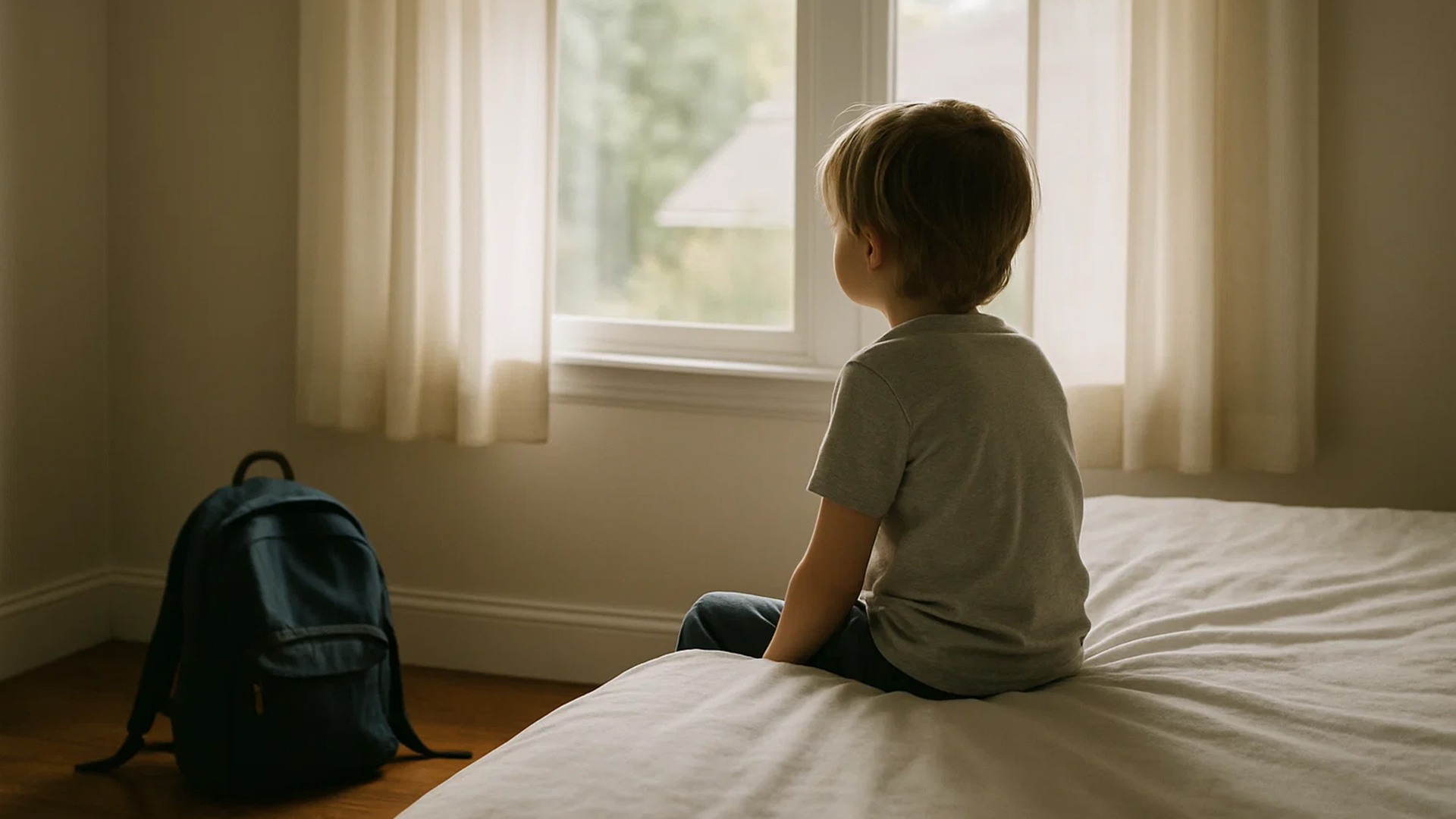
It can be confusing and painful when your child says they don’t want to go to school. At first, it might seem like they’re just being difficult. But child school refusal is often a sign of something deeper—stress, anxiety, or discomfort.
If you’re wondering what to do when your child does not want to go to school, this guide offers gentle ways to talk, listen, and take action. These tips are drawn from parenting experts, former principals, and child therapists, all shared in a practical and caring tone.
Listen First, Without Judgment
When a child says “I hate school” or “I don’t want to go,” our natural instinct might be to dismiss it with phrases like:
- “You’ll be fine.”
- “But you love school!”
- “Everyone has to go.”
Instead, try to listen with empathy. School anxiety in children is real and can be caused by anything from bullying to academic pressure or feeling left out.
Say this instead:
- “That sounds tough. Can you tell me more?”
- “I hear you. What part of school feels hard right now?”
- “Thank you for telling me. I want to help.”
By showing that you care and understand, you create a safe space for your child to open up.
Look for the Root Cause
Sometimes kids don’t know exactly why they’re upset about school. It might be a strict teacher, a fight with a friend, or just feeling overwhelmed. Watch for clues in their behavior or emotions. You might notice:
- Trouble sleeping
- Stomach aches or headaches
- Tearfulness before school
Try asking open-ended questions, or invite them to draw or journal their feelings. This helps in understanding school anxiety in children.
Use the “Magic Wand” Method
Ask your child: “If you had a magic wand and could change one thing about school, what would it be?”
This question helps them name the real issue. You might discover they feel lonely, want to play more, or wish for more time with you in the morning. Even small adjustments can ease their worry.
Keep a Calm, Positive Tone
While it’s important to validate their feelings, try not to add your own frustration to the mix. Avoid criticizing the school or teacher. Children need to feel confident that adults can work together to solve problems.
If your child says something negative, respond with calm:
Child: “My teacher is mean!”
Parent: “Sounds like something upset you. Let’s talk about what happened.”
Talk to the Teacher
Arrange a meeting with your child’s teacher. Ask for their view on your child’s mood or performance. Share your observations and listen with an open mind. Your goal is to work as a team to make school feel safer and more comfortable.
If needed, you can also meet with the school counselor or principal. Most schools want to help and can offer strategies or support services. Knowing how to talk to kids about school concerns with the right school staff is key.
Avoid Too Many Days Off
It may feel kind to let your child stay home, but frequent breaks can actually increase anxiety. The more they avoid school, the scarier it feels to return.
Unless your child is truly unwell, help them build confidence by facing the school day with your support. Use routines to create predictability and reassurance.
Build Routines and Security
Children thrive on structure. Prepare school bags the night before. Wake up early enough to avoid rushing. Offer a calm breakfast and a few moments to connect before school.
Create after-school routines too, with time to relax, talk about their day, and do something fun. These habits help when you’re helping anxious kids ease back into a routine.
Read Books About School Worries
Books can help children see they’re not alone. Some good titles include:
- The Kissing Hand by Audrey Penn
- The Girl Who Hated Books by Manjusha Pawagi
- I Don’t Want to Go to School by Stephanie Blake
Reading together gives your child a way to explore their feelings and see others overcome similar fears.
Teach Coping Skills
Support your child in building tools for stress. These can include:
- Deep breathing
- Drawing or journaling
- Spending time in nature
- Using a worry box or calming jar
You can also model these habits yourself. Let your child see how you calm down when something is hard. These are vital strategies for helping anxious kids feel more confident.
There’s Always Hope
Even if your child once loved school and now dreads it, things can improve. You are not alone—and neither is your child. With gentle words, supportive action, and open communication, most kids find their way back to a better relationship with school.
Every child is different, and every situation is unique. But when you focus on connection, safety, and understanding, you give your child a strong foundation for success.