
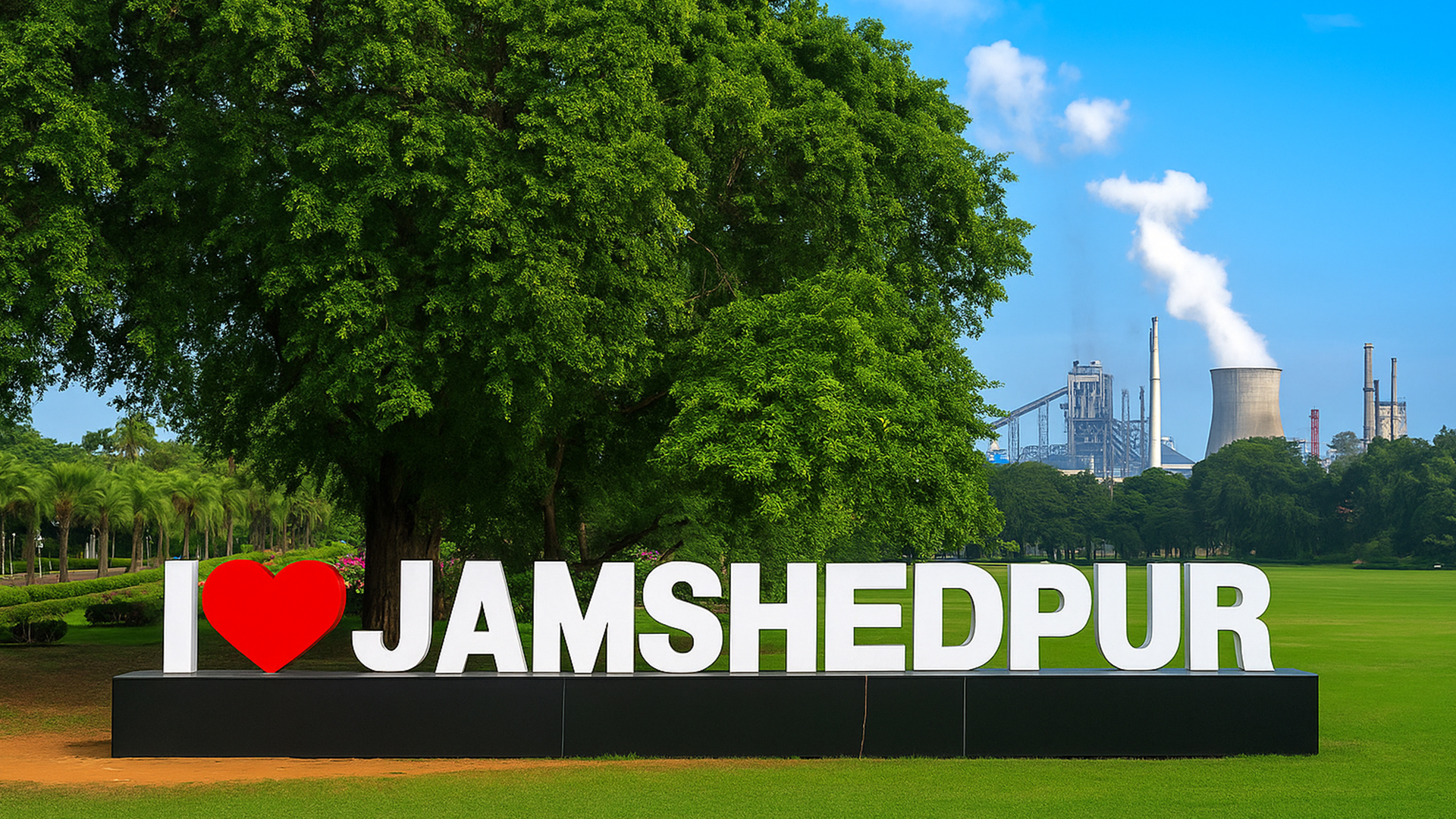
Positioned amid the rolling landscapes of eastern India, Jamshedpur is a city where industrial strength meets natural serenity. Famously known as the “Steel City of India,” it holds the distinction of being the country’s first planned industrial city—an ambitious vision realized by Jamsetji Tata in the early 20th century. Located in the modern-day state of Jharkhand, Jamshedpur plays a pivotal role in India’s industrial and economic fabric. The presence of Tata Steel, one of the world’s largest steel producers, is a testament to its historical and economic significance.
Jamshedpur isn’t just about factories and smokestacks—it’s a harmonious blend of clean, well-maintained streets, expansive parks, and thoughtfully planned infrastructure. Its balance between development and sustainability makes it stand out. People are drawn here not only for employment in its thriving industries but also for the quality of life it offers. Low crime rates, reasonable living expenses, and solid civic services make it an attractive place to live and work.
Unlike most Indian cities that evolved through dynasties or political movements, Jamshedpur was founded on a vision of industrial progress rooted in ethical entrepreneurship and community welfare. This legacy continues to shape its identity—from the leafy avenues to the silhouettes of steel plants flanked by verdant hills. Whether you’re exploring its history, looking for new career opportunities, or searching for a livable city with purpose, Jamshedpur delivers a truly distinctive experience.
Table of Contents
Top Questions
Why is Jamshedpur so famous?
Jamshedpur is famous as India’s first planned industrial city, founded by Jamsetji Tata in the early 1900s. It is home to Tata Steel, one of the largest and oldest steel companies in the world. The city is recognized for its clean environment, organized layout, green spaces, and being a prime example of industrial progress paired with social responsibility. It is also a symbol of visionary planning and ethical business practices.
What language is spoken in Jamshedpur?
The primary languages spoken in Jamshedpur are Hindi, Bengali, and Odia. English is commonly used in business and education. Due to its diverse population, you can also hear Urdu, Punjabi, Santhali, and other tribal dialects in daily conversation, making it a linguistically rich city.
Why is Jamshedpur called Tata?
Jamshedpur is often called “Tata” by locals because the city was established and managed by the Tata Group, particularly Tata Steel. The Tata name has become deeply associated with the city’s identity, and residents often refer to the city simply as “Tata” as a mark of pride and affection toward the industrial giant that built and nurtured it.
Why is Jamshedpur called Mini Mumbai?
Jamshedpur has earned the nickname “Mini Mumbai” because of its vibrant urban lifestyle, modern amenities, and growing fashion and entertainment culture. While it remains smaller than Mumbai, it reflects a similar energy with shopping malls, upscale neighborhoods, and diverse communities, offering a cosmopolitan feel in a compact setting.
Why is Jamshedpur called the Pittsburgh of India?
Jamshedpur is called the “Pittsburgh of India” due to its massive steel production, similar to Pittsburgh, USA, which was once the steel capital of the world. The city’s industrial strength, especially in steel and heavy manufacturing, mirrors Pittsburgh’s legacy and industrial influence, hence earning the comparison.
What is special in Jamshedpur?
What makes Jamshedpur special is its unique blend of industry and nature. Despite being an industrial hub, the city boasts wide roads, clean surroundings, green parks like Jubilee Park, scenic spots like Dimna Lake, and excellent civic infrastructure. It was built with the idea of ensuring quality living for industrial workers, making it a model city that promotes both progress and sustainability.
Quick Facts
| Country | India |
| State | Jharkhand |
| Division | Kolhan Division |
| District | East Singhbhum, Seraikela-Kharsawan |
| Established | 1907 |
| Named After | Jamsetji Tata |
| Government Type | Notified Area (Planned Industrial Township) |
| Government Body | Jamshedpur Notified Area Committee (JNAC) |
| Administrator | Special Officer (JNAC) & District Collector |
| Area | Approx. 224 km² |
| Elevation | 159 meters (521 ft) |
| Population (2011) | 1,337,131 (Jamshedpur Urban Agglomeration) |
| Males | 697,952 |
| Females | 639,179 |
| Sex Ratio | 916 females per 1,000 males |
| Literacy Rate | 89.41% |
| GDP | ₹85,000+ crore (approx.) |
| Time Zone | Indian Standard Time (IST), UTC +5:30 |
| PIN Code | 831001 to 831020 |
| Telephone Code | +91-657 |
| Vehicle Registration | JH-05 |
| Public Transport | City buses, auto-rickshaws, taxis, e-rickshaws |
| Official Language | Hindi |
| Spoken Language | Hindi, Bengali, Odia, Santhali, Urdu, English, Bhojpuri |
| Official Website | jamshedpur.nic.in |

 34°C
34°C Best Things to Do in Jamshedpur
When you step into Jamshedpur, you’re stepping into a city where industry meets greenery, and where culture meets modern urban life. Whether you’re a traveler, resident, or someone just exploring the city, there are countless things to do in Jamshedpur that will leave you surprised and satisfied.
One of the city’s top attractions is Jubilee Park, a sprawling 225-acre green space built in the style of Mysore’s Brindavan Gardens. It is not just a place for relaxation, but also for photography, picnics, boating, and witnessing spectacular musical fountains at night. The park was a gift from Tata Steel to the citizens of Jamshedpur, and it’s especially beautiful when lit up on March 3rd—Founder’s Day—celebrating Jamsetji Tata’s birthday.
Next on the list is Dimna Lake, a serene man-made reservoir nestled at the foot of the Dalma Hills. It’s perfect for boating, early morning drives, or simply watching the sunset. Adventure seekers can head to the Dalma Wildlife Sanctuary, just 10 km away, which is home to elephants, deer, and leopards, and offers panoramic trekking trails.
For culture lovers, Russi Modi Centre of Excellence and Tribal Culture Centre present a fascinating glimpse into Jamshedpur’s industrial heritage and the rich cultural diversity of the indigenous tribes in the region. Another must-see spot is Sir Dorabji Tata Park, known for its perfectly manicured gardens and peaceful ambiance.
Keen on shopping or local vibes? Head to Bistupur Market or Sakchi Bazaar, bustling hubs of local commerce where you can shop everything from tribal jewelry to modern gadgets. In the evenings, cafes and street-side eateries spring to life, offering a taste of Jamshedpur’s evolving food scene.
Lastly, don’t miss the Tata Steel Zoological Park, situated within Jubilee Park, where visitors can explore a well-maintained zoo and a nature education center. Families and students flock here year-round, especially during holidays.
Jamshedpur may not have the flash of a metro, but it charms with its blend of modern experiences and soulful simplicity. Whether you enjoy nature, culture, or quiet urban pleasures, Jamshedpur has something for everyone.
Food & Dining
The flavors of Jamshedpur tell stories of tradition, migration, and evolving taste buds. From humble street stalls to elegant restaurants, the food and dining scene in Jamshedpur reflects its multicultural roots and industrial legacy. Whether you’re a fan of spicy snacks, hearty meals, or modern café culture, Jamshedpur offers an authentic and satisfying food journey.
Let’s start with street food in Jamshedpur, which is the lifeblood of local cuisine. A walk through Sakchi or Bistupur Market reveals carts selling litti chokha, chana chaat, momos, and rolls bursting with flavor. The smoky aroma of tandoori items and spiced chaats fills the air, especially in the evenings when food stalls line the streets with hungry crowds. Don’t miss the Samosa-Chop combo at Prem’s, and the spicy pani puri (locally called “gupchup”) sold by vendors outside Jubilee Park.
One of the most iconic places to eat in Jamshedpur is Moti Mahal Delux in Bistupur, known for its rich North Indian cuisine. Nearby, you’ll find Novelty Restaurant, popular for its Chinese and Mughlai dishes, and Equinox, a fine-dine option inside the Hotel Boulevard for those seeking a refined experience. For South Indian lovers, Anand Restaurant serves authentic dosas and idlis with delicious sambhar.
Cafés are also on the rise. Youthful and creative spaces like The Chocolate Room, Café Regal, and Mocha offer everything from pastas to pastries, making them perfect for students and working professionals. Whether it’s catching up with friends or remote working with a cup of coffee, these spots are redefining the city’s food culture.
Another local favorite is Manokamna Sweets, which serves up decadent rasgullas, kalakand, and chamcham—a sweet ending to any meal. Meanwhile, food trucks near Kadma-Sonari Link Road are introducing fusion cuisines like Indo-Mexican wraps and Korean fried chicken.
Jamshedpur also hosts food events and fairs, especially during Durga Puja and Founder’s Day, where temporary food stalls from around the region pop up and serve delicacies from Odisha, Bihar, West Bengal, and Jharkhand. These seasonal delights often leave behind cravings that last all year.
In essence, the food culture of Jamshedpur is more than just nourishment—it’s a vibrant, flavorful celebration of diversity, affordability, and local ingenuity.
Events and Festivals
Jamshedpur is not only an industrial powerhouse but also a city that loves to celebrate. Festivals and events in Jamshedpur reflect its multicultural population and strong community spirit. Whether it’s a national holiday or a local celebration, the city embraces every occasion with color, music, and togetherness.
One of the most important events is Founder’s Day, celebrated on March 3rd—the birth anniversary of Jamsetji Tata, the visionary who founded the city. The entire city lights up, especially Jubilee Park, which becomes the centerpiece with dazzling illuminations, exhibitions, and parades. Schools, companies, and local clubs participate in honoring the man whose dream created Jamshedpur.
Durga Puja is another major festival, celebrated with grandeur by the Bengali community and embraced by all. Elaborate pandals are erected across neighborhoods like Sakchi, Kadma, and Sonari, each with unique themes. The festive air, cultural performances, and food stalls make it one of the most awaited events of the year.
Jamshedpur also hosts Christmas celebrations, especially around the Beldih Church area, where carol singing and midnight mass draw large crowds. Diwali, Eid, Holi, and Chhath Puja are equally important, showing the harmony among the city’s diverse communities.
On the cultural front, Tata Steel organizes sports meets, marathons, and youth festivals, promoting local talent in athletics and the arts. Annual fairs like the Book Fair, Industrial Expo, and Crafts Mela bring artisans and entrepreneurs from all over the country.
These events are more than just dates on a calendar—they are a vibrant expression of Jamshedpur’s identity, where modernity and tradition walk hand in hand.
Outdoor Activities and Nature
Despite being an industrial city, Jamshedpur is one of the greenest cities in India. It is surrounded by hills, forests, rivers, and lakes, making it a paradise for outdoor enthusiasts.
The crown jewel is Jubilee Park, a massive 225-acre garden with jogging tracks, boating areas, and floral gardens. Families flock here on weekends, and fitness lovers find it ideal for morning workouts. Inside the park is the Jayanti Sarovar, perfect for paddle boating and feeding ducks.
For trekking and wildlife lovers, the Dalma Hills and Dalma Wildlife Sanctuary offer trails, panoramic views, and encounters with elephants, barking deer, and peacocks. The Dimna Lake, located at the foothills, is a serene spot for picnics, photography, and light water sports.
The Hudco Lake in Telco is another local favorite—less crowded, ideal for peaceful walks and bird watching. Nicco Amusement Park and Keenan Stadium add a recreational touch with sports and adventure.
Cyclists, runners, and nature photographers find Jamshedpur refreshing. Despite being a steel town, the city’s green cover and clean air make outdoor life enjoyable and rejuvenating.
Geography and Location
Jamshedpur is located in the eastern part of India, in the state of Jharkhand, nestled between the Subarnarekha and Kharkai rivers. This dual river system has historically supported the city’s water needs and contributed to its industrial success.
The city sits at the foot of the Dalma Hills, giving it a unique terrain that blends plains, plateaus, and hills. Its elevation varies, offering stunning views from elevated points like the Dalma range.
Geographically, Jamshedpur lies close to the borders of West Bengal and Odisha, making it a natural gateway for trade and cultural exchanges. Nearby cities include Ranchi (the capital of Jharkhand), Kolkata, and Bhubaneswar, all well connected by road and rail.
Its strategic location, mineral-rich surroundings, and proximity to forest reserves made it the perfect site for India’s first private steel plant, and its geography continues to shape its economy and lifestyle today.
Climate & Environmental Context
Jamshedpur has a tropical wet and dry climate, which means it experiences three major seasons: summer, monsoon, and winter.
Summers (March to June) can be hot, with temperatures rising up to 45°C (113°F). However, the green cover and tree-lined avenues reduce the heat impact. Monsoons (July to September) bring moderate to heavy rainfall, often turning the parks and lakes into lush green escapes. Winters (November to February) are mild and pleasant, with temperatures dropping to around 10°C (50°F), making it the best time to visit or enjoy outdoor events.
The city scores well in air quality compared to other industrial hubs, thanks to conscious environmental policies by Tata Steel and the JUSCO management. Regular tree plantation drives and waste management systems help maintain ecological balance.
Jamshedpur is often praised for being both “an industrial city and an oxygen zone”—an environmental paradox that has been sustainably managed for decades.
History and Culture
The story of Jamshedpur begins with a dream. In the early 1900s, Jamsetji Nusserwanji Tata, one of India’s greatest industrialists, envisioned a city built around a steel plant—where workers lived with dignity and peace. In 1907, Tata Steel was founded, and by 1919, the town was officially named Jamshedpur in his honor by Lord Chelmsford, then Viceroy of India.
From the beginning, Jamshedpur was different. It was India’s first planned industrial township, built with wide roads, water supply, electricity, parks, hospitals, and schools—long before these became common in Indian cities.
Culturally, Jamshedpur is a rich mosaic of tribal traditions, industrial values, and urban lifestyle. It is home to Santhals, Mundas, Bhumijs, and other indigenous communities, whose customs, festivals, and music deeply influence the city’s rhythm. The Tribal Culture Centre preserves and promotes this heritage with exhibits, performances, and workshops.
Arts and crafts are also nurtured through cultural hubs and regular festivals. Local dance forms like Chhau are performed during public events, and city clubs host classical music and art exhibitions.
Jamshedpur’s cultural uniqueness lies in its fusion of industrial discipline with artistic spirit, making it both functional and soulful.
Sports
Sports are a way of life in Jamshedpur. From steel to soccer, the city excels in building champions. It is best known for being home to Jamshedpur FC, the football team that competes in the Indian Super League (ISL). Their home ground, JRD Tata Sports Complex, is a state-of-the-art facility that regularly hosts national matches and athletic events.
The city’s sporting legacy is rooted in Tata’s vision of holistic development. Tata Football Academy (TFA) is one of the country’s premier training centers, producing top-tier football talent. Similarly, Tata Archery Academy and Tata Athletics Academy have trained international-level athletes, including Olympians.
Locals engage in a wide range of sports—cricket, basketball, hockey, skating, and swimming. School-level tournaments and inter-colony games are regular community events.
Adventure enthusiasts can explore trekking in Dalma, cycling through forest trails, or participating in city marathons. Sports infrastructure is excellent, and children grow up with access to stadiums, gyms, and expert coaching.
Jamshedpur has truly established itself as a sports development hub, combining grassroots training with world-class facilities.
Shopping and Entertainment
Though it’s a mid-sized city, shopping and entertainment in Jamshedpur are vibrant and evolving. From bustling markets to chic malls, the city offers a mix of local charm and modern convenience.
Bistupur Market is the oldest and most popular shopping area. You’ll find everything from branded clothing to traditional tribal jewelry. Sakchi Market is famous for budget shopping, electronics, and a thriving street food scene. Kadma and Sonari neighborhoods also host flea markets and local stores catering to daily needs and fashion.
For a more upscale experience, P&M Hi-Tech City Centre Mall houses multiplex cinemas, global fashion brands, and food courts. It has become a popular hangout spot for the younger generation.
When it comes to entertainment, Eylex Cinemas and INOX offer the latest Bollywood and Hollywood releases. Local theaters sometimes host plays and musical events, especially during festivals.
The nightlife is quiet but growing—cafes with live music, lounges, and rooftop restaurants in places like Circuit House Area are starting to define a new social culture.
Jamshedpur may not be a party capital, but its mix of tradition and trend makes every outing a pleasant one.
Best Neighborhoods or Regions
Jamshedpur has several well-planned and self-sufficient neighborhoods, each with its own personality. Whether you’re a young professional, a student, or a family, there’s a place that suits your lifestyle.
Bistupur is the commercial and administrative heart of the city. It’s ideal for those who want easy access to offices, markets, and transportation. Sakchi, one of the oldest areas, offers affordability and proximity to hospitals, schools, and shopping.
Kadma and Sonari are mostly residential, known for their peaceful surroundings and green lanes. They’re popular with families and retirees. Telco Colony, developed by Tata Motors, is another serene locality with parks, temples, and clean streets.
Adityapur, on the outskirts but rapidly developing, is home to industrial hubs and engineering colleges. It’s the go-to area for students and small businesses.
The city’s neighborhoods are known for safety, greenery, and civic amenities—making Jamshedpur’s residential planning one of its strongest advantages.
Economy
The economy of Jamshedpur is deeply rooted in industry—primarily the steel industry. It is the headquarters of Tata Steel, India’s first private steel company and one of the largest globally. This company alone contributes significantly to the city’s GDP and provides direct and indirect employment to thousands.
Alongside Tata Steel, Tata Motors, Tata Power, and Tata Tinplate form the industrial backbone of the city. The Adityapur Industrial Area, located just outside city limits, is one of the largest industrial zones in eastern India and houses over 1,000 small- and medium-sized enterprises (SMEs).
Jamshedpur also supports other sectors like education, healthcare, construction, and retail. The rise of local startups, coaching centers, and hospitality ventures has added a new dimension to its economy.
While poverty does exist in some fringe areas, the city boasts better income levels and civic services compared to other Indian cities of similar size. The presence of CSR (Corporate Social Responsibility) programs by Tata companies has helped reduce inequality and promote sustainable urban development.
With increasing automation and infrastructure investments, Jamshedpur’s economic future looks solid, particularly in the areas of clean manufacturing, education, and logistics.
Education and Job Opportunities
Education is a cornerstone of Jamshedpur’s social growth. The city is home to some of the finest schools and colleges in eastern India, supported largely by the Tata Group and religious trusts. Notable institutions include Loyola School, Sacred Heart Convent, Carmel Junior College, and DAV Public School.
In higher education, XLRI (Xavier Labour Relations Institute) stands out as one of India’s top business schools, attracting students from all over the country and abroad. National Institute of Technology (NIT) Jamshedpur, located in Adityapur, is another premier institution known for engineering.
Job opportunities are abundant in sectors like steel manufacturing, automotive, IT support, logistics, healthcare, and education. Major employers include Tata Steel, Tata Motors, Jusco, and various SMEs. Startups and digital businesses are also emerging, especially among youth.
Jamshedpur is a city where education and employment often go hand-in-hand, making it a good place for those looking to build careers while enjoying a high quality of life.
Infrastructure & Connectivity
Jamshedpur is often described as one of the best-managed cities in India, thanks to its private urban governance model run by JUSCO (Jamshedpur Utilities and Services Company)—a subsidiary of Tata Steel. JUSCO handles water supply, electricity, waste management, roads, and parks with remarkable efficiency.
The city is divided into residential zones (like Kadma and Sonari), industrial zones (like Telco and Adityapur), and commercial centers (like Bistupur and Sakchi). Town planning is evident in its clean roads, traffic systems, and separate sewage networks.
Broadband internet, piped water supply, regular power, and street lighting are standard across most areas. Expansion is taking place in suburban regions like Parsudih and Mango, although they are governed under a different municipal structure.
Jamshedpur is a model for public-private urban development, showcasing how cities can be functional, clean, and citizen-friendly.
Transportation and Accessibility
Jamshedpur is well-connected by road and rail but still lacks a fully operational commercial airport. The nearest airport is Birsa Munda Airport in Ranchi, around 130 km away. However, a new airport project is in progress in Sonari, which will offer regional connectivity.
The city’s main railway station is Tatanagar Junction, a major stop on the Howrah-Mumbai line, connecting it to all parts of India. Frequent trains to Kolkata, Delhi, Mumbai, and Bhubaneswar make travel convenient.
Road travel is supported by NH-33, connecting Jamshedpur to Ranchi, and State Highways to Odisha and West Bengal. Local transport includes autos, e-rickshaws, buses, and app-based cab services like Ola.
Internally, commuting is easy due to the city’s compact layout, planned roads, and regular traffic management, making daily travel predictable and stress-free.
Cost of Living and Accommodation
Jamshedpur offers a relatively low cost of living compared to metro cities. Rent for a 2BHK apartment ranges between ₹6,000 and ₹15,000 depending on the locality. Areas like Sonari and Kadma are more affordable, while Bistupur and Circuit House are premium.
Groceries, transport, school fees, and medical costs are also moderate. Eating out is inexpensive, and entertainment is affordable, making the city ideal for families, students, and retirees.
Salaries for skilled professionals in sectors like steel, IT support, and education are competitive. The city provides a good balance between income potential and affordable lifestyle, which is rare in urban India today.
Safety and Healthcare
Jamshedpur is considered one of the safest cities in Jharkhand. Crime rates are relatively low, and civic discipline is strong due to the Tata legacy. Police response is efficient, and most neighborhoods have active resident associations that ensure order.
Healthcare is excellent. Tata Main Hospital (TMH) is a world-class multi-specialty center offering affordable treatment. Other notable hospitals include Brahmananda Narayana, Kantilal Gandhi Memorial Hospital, and MGM Medical College & Hospital.
Pharmacies, diagnostic labs, and emergency services are well distributed, and ambulance response is fast. Mental health services and child care centers are also available, making Jamshedpur a city where wellness is prioritized.
Government and politics
Unlike most Indian cities, Jamshedpur is not fully governed by a municipal corporation. Core areas are managed privately by JUSCO, while fringe zones like Mango and Parsudih fall under municipal bodies like Mango Municipal Corporation or Jamshedpur Notified Area Committee (JNAC).
This hybrid structure often creates governance challenges, especially in expansion zones. Disputes over municipal status and protests over land use have occasionally sparked political debates.
The city falls under East Singhbhum district, with representation in both Jharkhand State Assembly and Lok Sabha. Politically, it sees contests between major national parties like BJP and Congress, along with regional groups.
Despite administrative complexities, Jamshedpur runs efficiently thanks to strong corporate governance and a proactive civil society.
Local Laws and Regulations
In Jamshedpur, certain local laws vary depending on which zone you’re in—core city vs. notified area. For instance, alcohol sales are permitted but regulated by state government rules, with licensed shops only.
Traffic rules are strictly enforced in JUSCO-managed zones, including helmet laws and no-parking areas. Littering is heavily discouraged, and fines are imposed for spitting or dumping garbage.
Driving licenses, property registration, and public grievance redressal follow Jharkhand state protocols, and most services are now digitized. For businesses, the city offers ease of compliance with GST, trade licenses, and industrial permits.
Residents and visitors are advised to be aware of zoning laws, especially for construction, noise levels, and public gatherings.
Relocating to Jamshedpur
Relocating to Jamshedpur can be a smooth and pleasant experience. The city’s compact size, organized layout, and welcoming people make it easy for newcomers to settle in.
For professionals, housing is easily available near workplace zones like Telco, Adityapur, or Bistupur. For families, schools and hospitals are within a short drive from most neighborhoods. Students benefit from affordable PG accommodations and mess services.
Basic paperwork like electricity connection, Aadhaar updates, and voter ID registrations are straightforward and digitized. Those moving with families will find a good balance of modern lifestyle and small-town comfort.
Helpful relocation tips:
- Learn basic Hindi or Bengali for smoother interactions.
- Use local Facebook and WhatsApp groups for community support.
- Use Ola or auto unions for transportation.
- Choose residential colonies with civic amenities like JUSCO-managed zones.
Summary
Why Jamshedpur Should Be Your Next Destination or Home
Jamshedpur is more than a city—it’s a vision brought to life. Built on values of discipline, community, and innovation, it remains one of India’s finest examples of planned urban development. With clean streets, green spaces, world-class schools and hospitals, thriving businesses, and cultural vibrancy, it offers the comfort of a small town with the energy of a modern city.
Whether you’re visiting for a few days or planning to move permanently, Jamshedpur welcomes you with open arms and organized roads.