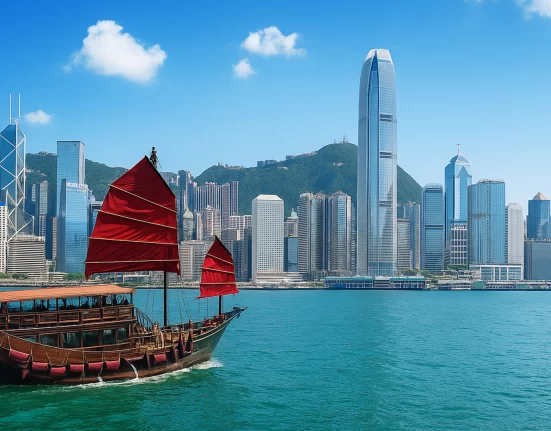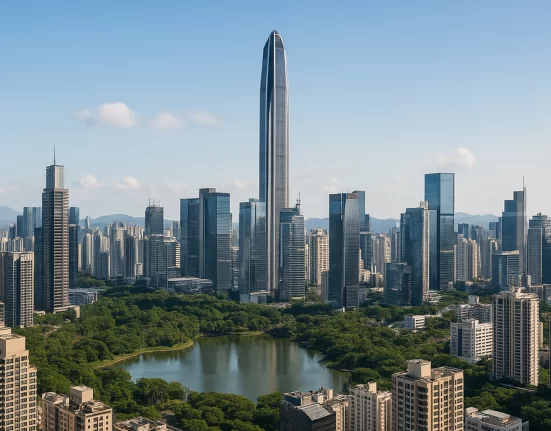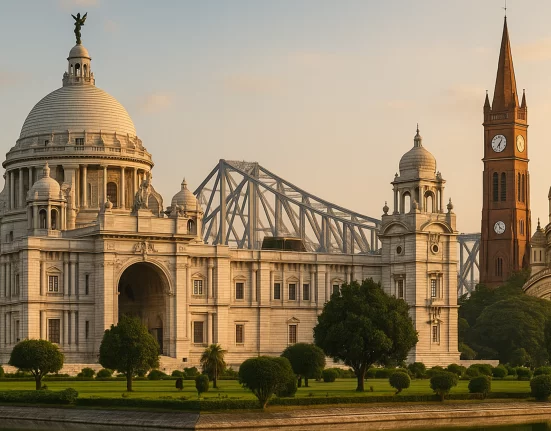

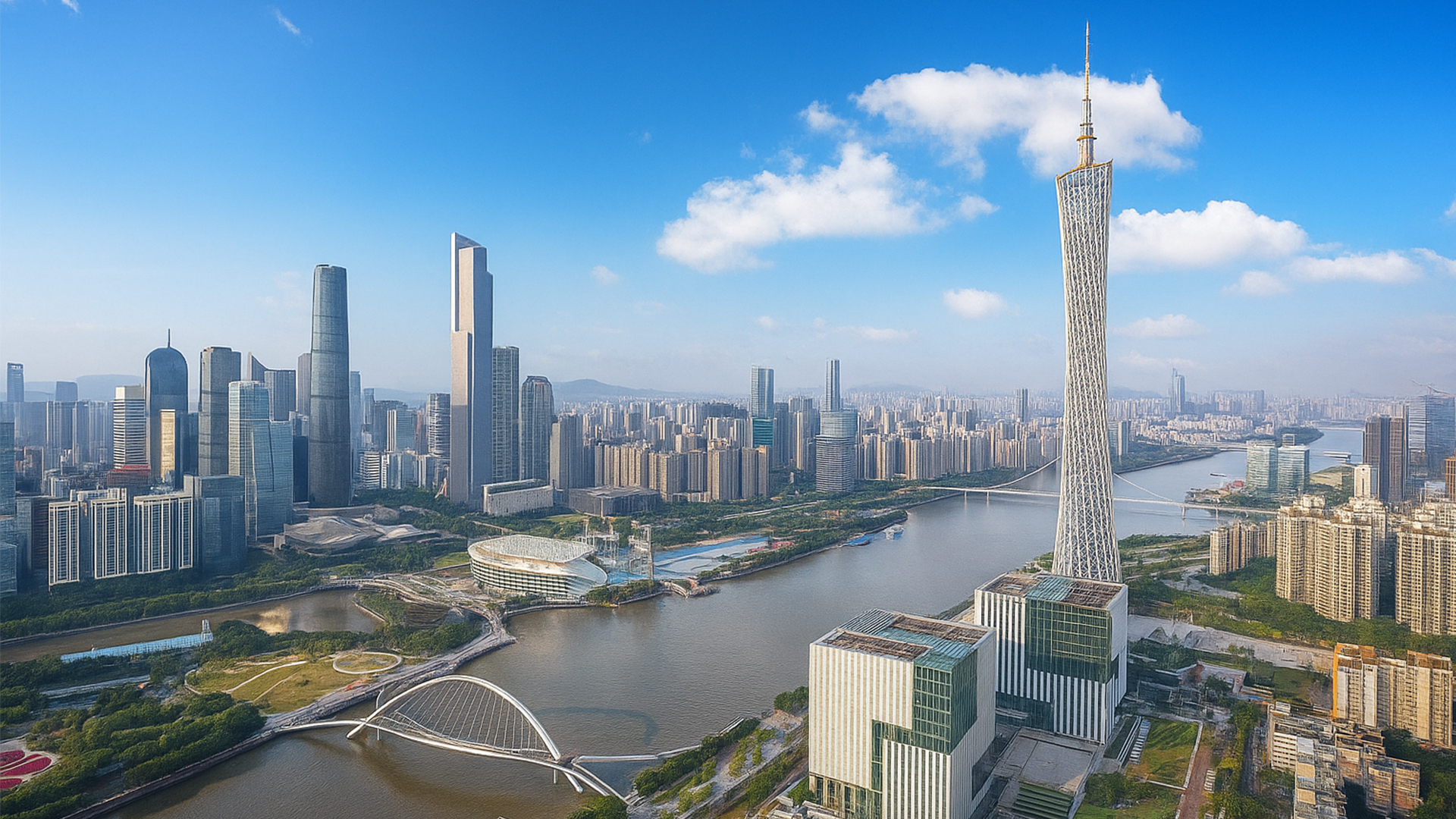
Guangzhou (广州), the capital of Guangdong Province in southern China, is one of the oldest and most dynamic cities in East Asia. As a major port along the Pearl River Delta, it has served as a vital trade hub for over 2,200 years, dating back to the Qin Dynasty. Once known to the Western world as Canton, Guangzhou holds the distinction of being China’s earliest port open to foreign trade and remains today a global center for commerce, culture, and connectivity.
The city’s historical significance is immense. It was the eastern terminus of the ancient Maritime Silk Road, linking China with Southeast Asia, India, the Middle East, and Africa. Over centuries, merchants, missionaries, and explorers passed through Guangzhou, leaving behind a rich blend of cultures, religions, and architectural styles. You can still see the influence of this melting pot in places like Shamian Island, Chen Clan Ancestral Hall, and the traditional Xiguan residences.
But Guangzhou isn’t just a historical treasure—it’s also a modern marvel. The skyline is dotted with sleek towers like the Canton Tower, one of the tallest structures in the world, while the city’s metro system, high-speed rail lines, and smart city infrastructure demonstrate its future-facing ambitions. It’s also home to the Canton Fair, Asia’s largest trade event, which attracts businesses and buyers from around the globe.
Why do people live, visit, or work in Guangzhou?
- For entrepreneurs and job seekers, the city offers strong access to manufacturing, technology, and global trade sectors.
- For tourists, Guangzhou is a gateway to authentic Cantonese culture, scenic river views, and lively street food markets.
- For students and scholars, it hosts world-class institutions like Sun Yat-sen University and Jinan University, two of China’s most prestigious.
- For families, the city offers a balance of modern amenities, international schools, parks, and cultural activities.
In essence, Guangzhou represents the fusion of history, prosperity, and opportunity. It’s a city that respects its past while continuously building its future, making it one of the most fascinating places to live or visit in the 21st century.
Table of Contents
Top Questions
What is Guangzhou, China known for?
Guangzhou is known as a major commercial and cultural center in southern China. It is famous for being a historic trade hub—home to the world-renowned Canton Fair—as well as for its rich Cantonese culture, delicious cuisine, and status as part of the Pearl River Delta economic powerhouse. Its historical sites, modern skyline, and innovation-driven industries make it a dynamic and influential city.
Why is Guangzhou so popular?
Guangzhou’s popularity stems from its strategic economic position, cultural vibrancy, and modern lifestyle. As one of China’s largest cities, it attracts international businesspeople, tourists, students, and migrants alike. The city is popular for its diverse shopping markets, ease of doing business, accessibility through a world-class transport system, and authentic food scene. Its blend of old traditions and urban development makes it especially appealing.
What should I buy from Guangzhou, China?
Guangzhou is a shopping paradise, known for its wholesale markets and affordable fashion, electronics, and home goods. Visitors often buy clothing, textiles, footwear, accessories, fabrics, and custom-made items from places like Baima Market, Zhanxi, and Shisanhang Garment Market. Souvenirs like Cantonese tea, porcelain, and local snacks are also popular.
What language do they speak in Guangzhou?
The primary language spoken in Guangzhou is Cantonese (Yue Chinese), a local dialect with deep cultural roots. However, Mandarin Chinese (Putonghua) is widely used for education, media, and official communication. Many young people and professionals also speak basic English, especially in tourist or business districts.
Is Guangzhou good for tourists?
Yes, Guangzhou is an excellent city for tourists. It offers a wide range of attractions—from historic temples and colonial architecture to modern shopping malls and scenic river cruises. Tourists enjoy the Canton Tower, Shamian Island, Yuexiu Park, and vibrant night markets. The city is clean, safe, and well-connected by metro, making it tourist-friendly and easy to explore.
Is Guangzhou cheap or expensive?
Guangzhou is relatively affordable compared to other global cities. Daily expenses such as food, local transportation, and accommodation are moderately priced. While luxury options are available, budget travelers can find affordable hotels, cheap and tasty street food, and reasonably priced shopping. However, imported goods and upscale dining can be expensive.
Quick Facts
| Country | China (中国) Pinyin: Zhōngguó |
| State/Province | Guangdong Province (广东) Pinyin: Guǎngdōng |
| Division/Zone | Sub-provincial city |
| District | 11 urban districts (Yuexiu, Liwan, Haizhu, Tianhe, Baiyun, Huangpu, Huadu, Panyu, Nansha, Conghua, Zengcheng) |
| Established | Qin Dynasty (~2 200 years ago) |
| Named After | Ancient Guang Prefecture (Historical name “Canton”) |
| Government Type | Sub-provincial municipal government |
| Government Body | Guangzhou Municipal People’s Government |
| Administrator | Mayor & CPC Secretary |
| Area | 7,436 km² |
| Elevation | ~50 meters |
| Population (2024) | 18.97 million |
| Males | ~10.03 million |
| Females | ~8.95 million |
| Sex Ratio | 112 males per 100 females |
| Literacy Rate | ~95%+ |
| GDP | ¥3.10 trillion CNY (Approx. $435.7 billion USD in 2024) |
| Time Zone | China Standard Time (UTC+8) |
| PIN Code | Starts with 510000 |
| Telephone Code | +86 020 |
| Vehicle Registration | 粤A (Yue A) |
| Public Transport | Metro, electric buses, high-speed rail, ferries, taxis, bike-sharing |
| Official Language | Mandarin |
| Spoken Language | Cantonese, Mandarin, Hakka |
| Official Website | www.gz.gov.cn |

 19°C
19°C Best Things to Do in Guangzhou
There is no shortage of amazing experiences when visiting Guangzhou, a city that proudly blends thousands of years of cultural heritage with modern innovation. Whether you’re drawn to historic sites, natural landscapes, or futuristic architecture, Guangzhou offers something deeply memorable for every type of traveler. The city pulses with energy, charm, and stories waiting to be uncovered around every corner.
One of the most iconic landmarks in Guangzhou is the Canton Tower, a sleek, spiraling structure that stretches 600 meters into the sky. Standing among the tallest towers in the world, it offers sweeping panoramic views of the city from its observation deck and transforms into a glowing beacon of color at night. Just a short distance away is Huacheng Square, surrounded by skyscrapers, fountains, and lush landscaping. It’s the cultural and commercial heart of the city, where locals and visitors gather to relax, take photos, and watch light shows.
History lovers will find inspiration at the Chen Clan Ancestral Hall, a beautiful example of Lingnan-style architecture adorned with carved wood, ceramic decorations, and stone sculptures. This historic site is now a folk art museum that gives insight into Guangzhou’s artistic traditions. Nearby, the peaceful streets of Shamian Island offer a glimpse into the city’s colonial past. With its European-style buildings, shaded walkways, and riverside views, it feels like stepping into another world.
For those who seek connection with nature, Baiyun Mountain, also known as “White Cloud Mountain,” provides serene hiking trails and scenic views across the city. This is one of Guangzhou’s most beloved green spaces and serves as a sanctuary from the urban rush. Equally inviting is Yuexiu Park, the largest park in downtown Guangzhou, home to lakes, pavilions, and the iconic Five Rams Statue, which symbolizes the city’s mythical founding.
Spiritual landmarks such as the Sacred Heart Cathedral, built entirely of granite in a rare Gothic Revival style, highlight Guangzhou’s diverse cultural and religious landscape. The city’s Pearl River is another central thread in its identity, best experienced through an enchanting night cruise that passes illuminated skyscrapers, historical bridges, and the sparkling outline of Canton Tower reflected in the water.
Of course, no trip to Guangzhou would be complete without visiting its famous shopping streets. Beijing Road and Shangxiajiu Pedestrian Street are bustling centers for retail therapy, offering everything from global fashion brands to traditional Chinese goods. Here, you’ll also find local snacks, cultural performances, and street artists bringing the lanes to life.
In essence, the best things to do in Guangzhou are woven into its everyday life. The city doesn’t just offer attractions—it offers experiences filled with beauty, depth, and unforgettable stories. From ancient temples to glass towers, from quiet parks to lively pedestrian zones, Guangzhou invites you to explore a world where the past and future meet in harmony.
Food & Dining in Guangzhou
If there’s one reason alone to visit Guangzhou, it’s the food. The city is often considered the culinary capital of China, home to the world-renowned Cantonese cuisine that has influenced global Chinese food traditions. In Guangzhou, eating is more than just sustenance—it’s a daily ritual, a form of art, and a deep reflection of its rich cultural heritage. Locals proudly say that in Guangzhou, people “eat everything that flies except airplanes, and everything with four legs except tables,” highlighting the city’s love for variety and creativity in the kitchen.
The most famous offering from Guangzhou is undoubtedly dim sum—a meal made up of small, flavorful dishes served in bamboo steamers or on tiny plates. Locals enjoy it in the morning or afternoon as part of yum cha, a tradition of sipping tea and sharing plates with friends or family. Signature dim sum dishes include har gow (shrimp dumplings), siu mai (pork dumplings), cheong fun (rice noodle rolls), and egg tarts, all served in bustling teahouses where carts roll past tables and diners point to their favorites.
For street food lovers, Guangzhou is a paradise. The alleys and markets of Xiguan, Haizhu, and Shangxiajiu come alive at night with sizzling woks and fragrant steam. Must-try snacks include roast goose, beef offal hot pot, rice noodle rolls, and the sweet, tangy mango sago dessert. You’ll also find carts selling sugar-coated hawthorn, steamed buns, and barbecued squid—a true festival of flavors served on the street.
For more upscale dining, Guangzhou’s restaurant scene spans from traditional Cantonese banquets to international fusion cuisine. The city is home to several Michelin-starred restaurants, such as Jiang by Chef Fei and Imperial Treasure Fine Chinese Cuisine, where presentation meets perfection. Whether you’re dining in a centuries-old teahouse or a high-rise restaurant with river views, the focus is always on fresh ingredients, balanced flavors, and culinary craftsmanship.
Food festivals are also a highlight of the dining culture here. The Guangzhou International Food Festival, held annually in November, brings together chefs, food lovers, and vendors from all over the world. During this vibrant celebration, parks and public squares transform into open-air food courts, showcasing the best of local delicacies, fusion dishes, and international street food.
To eat in Guangzhou is to take a journey through centuries of flavor and innovation. Every meal tells a story—from imperial kitchens to humble street stalls—and reveals the deep respect this city has for food. If you’re a curious eater or a passionate foodie, Guangzhou will feed your soul as much as your appetite.
Events and Festivals in Guangzhou
To truly understand the heart of Guangzhou, you must experience it during its festivals. This city, one of China’s oldest and most culturally vibrant, comes alive with energy, color, and celebration throughout the year. Whether rooted in ancient traditions or tied to international business, Guangzhou’s festivals offer something meaningful for every visitor. From dragon boats racing down rivers to lanterns lighting up the sky, every event in Guangzhou tells a story that connects the modern city with its time-honored past.
The most famous and globally recognized event in Guangzhou is the Canton Fair, officially known as the China Import and Export Fair. Held twice a year—in spring and autumn—since 1957, this massive trade exhibition draws buyers and exhibitors from every corner of the world. Covering everything from electronics and textiles to home goods and technology, the Canton Fair turns Guangzhou into a buzzing hub of commerce. Even if you’re not a business professional, the city’s energy during the fair is infectious, and many local shops and restaurants offer special deals and menus during the event.
Beyond trade, Guangzhou is deeply committed to preserving its cultural and seasonal festivals. One of the most exhilarating is the Dragon Boat Festival, held every June on the fifth day of the fifth lunar month. Teams of rowers dressed in traditional attire race through the rivers and lakes of the city while crowds cheer them on. The atmosphere is festive, with families gathering to eat zongzi (sticky rice wrapped in bamboo leaves) and honor ancient poet Qu Yuan.
In the early spring, Lantern Festival celebrations light up temples, parks, and streets, especially at Yuexiu Park and Cultural Park. Visitors are enchanted by glowing lantern displays, riddles, and dragon dances. During Chinese New Year, the city turns into a wonderland of red banners, fireworks, and lion dances, with temples like the Temple of the Six Banyan Trees hosting traditional rituals and blessings for the new year.
Guangzhou also celebrates the Mid-Autumn Festival, where mooncakes are exchanged among friends and family, and the city’s skies are illuminated with lanterns floating above the Pearl River. Art and music lovers should not miss the Guangzhou International Light Festival, typically held in November, where the city’s skyline becomes a digital canvas for light artists from around the globe.
From religious observances to modern expos, every festival in Guangzhou invites you to become part of its community, even just for a moment. These celebrations connect the people of the city to their heritage, their families, and to visitors from all walks of life. If you plan your trip around these special occasions, you’ll see Guangzhou at its most joyful, most colorful, and most unforgettable.
Outdoor Activities and Nature
Though known for its economic might and urban sprawl, Guangzhou is also a city of remarkable green spaces, peaceful riversides, and scenic hills that invite both locals and travelers to slow down, breathe deeply, and connect with nature. For those who love the outdoors, Guangzhou offers an impressive balance between city life and natural beauty, making it one of China’s most livable metropolises.
The crown jewel of Guangzhou’s outdoor offerings is Baiyun Mountain, or White Cloud Mountain, a forested range that sits just north of the city center. This vast green oasis spans several peaks and scenic spots, offering hiking trails, cable cars, and tranquil viewpoints that overlook the entire urban skyline. It’s not just for athletes or hikers—families, photographers, and couples visit Baiyun Mountain for its fresh air and peaceful atmosphere. The Mingchun Valley Bird Park within the mountain complex is a favorite for children and bird lovers alike.
Another must-visit destination is Yuexiu Park, the largest park in downtown Guangzhou. It’s home to ancient city walls, tranquil lakes, and the iconic Five Rams Statue, a symbol of the city’s mythical beginnings. Locals gather here every morning to practice tai chi, dance, or play traditional instruments, offering a peaceful and culturally rich experience for visitors looking to engage with the community.
The Pearl River, which flows gracefully through the heart of Guangzhou, provides a spectacular backdrop for both daytime and nighttime outdoor activities. Jogging paths, riverside gardens, and open-air cafes stretch along the waterfront, particularly near Haixinsha Island and Ersha Island. At night, many take river cruises to enjoy the shimmering skyline, lit by bridges and buildings that reflect beautifully on the water’s surface.
For those seeking more hidden gems, Maofeng Mountain Forest Park in the eastern suburbs offers forested trails, waterfalls, and picnic spots. It’s a haven for weekend campers and those who prefer their outdoor adventures a little more wild. Liuhuahu Park, Luhu Lake, and Zhongshan Park are also excellent for afternoon strolls, boating, or simply sitting by the water and watching Guangzhou go by at a slower pace.
Cyclists will love the city’s commitment to bike-friendly infrastructure. Many areas, including Zhujiang New Town, offer bike-sharing services and wide lanes, making it easy to explore the city’s green zones and neighborhoods on two wheels.
In Guangzhou, nature is never far away. Whether you’re looking for a quiet trail, a vibrant park, or a place to reconnect with fresh air and greenery, the city welcomes you with open arms. It’s this seamless integration of urban development and ecological balance that makes Guangzhou not just a city of business, but a city of beauty.
Geography and Location
Situated in the southern reaches of China, Guangzhou holds a geographically strategic position that has shaped its historical importance and modern-day influence. As the capital of Guangdong Province, Guangzhou is nestled in the heart of the Pearl River Delta, one of the most densely populated and economically vibrant regions in the country. It lies just inland from the South China Sea, with the Pearl River—China’s third longest—running directly through the city and feeding into the delta’s intricate network of tributaries and estuaries.
Guangzhou is bordered by several major cities that enhance its connectivity and relevance. To the south lies Hong Kong, only about 120 kilometers away, and to the southwest, Macau—both of which are easily accessible via high-speed rail, expressways, and ferry services. To the north and east, Guangzhou connects with cities like Foshan, Dongguan, Shenzhen, and Zhaoqing, forming a continuous urban-industrial corridor that defines the Greater Bay Area. This geographical centrality makes Guangzhou a vital transportation and commercial hub, linking southern China with the rest of the world.
Topographically, Guangzhou is a mix of flat lowlands, hills, and river valleys. The urban core lies mostly on flat terrain, which has supported extensive development, but the city’s northern and northeastern edges rise into the foothills of Baiyun Mountain and Maofeng Mountain, adding diversity to the city’s landscape. These elevated areas serve as important green lungs and water catchments, influencing the local microclimate and offering recreational escapes.
The city’s river systems have not only provided fertile grounds for agriculture and trade but have also shaped settlement patterns and architectural traditions. Many of Guangzhou’s older districts, like Liwan and Haizhu, developed around riverbanks, while new business zones such as Zhujiang New Town have emerged along the modernized riverside promenades.
Its proximity to the sea, combined with an extensive internal network of rivers and canals, helped establish Guangzhou as one of China’s earliest international ports. For centuries, ships came from Southeast Asia, the Middle East, and Europe, anchoring Guangzhou’s status as a global gateway.
Guangzhou’s geographical setting is not just about location—it is about connectivity, resilience, and opportunity. It explains why the city has flourished as a center of trade, culture, and innovation. Rooted in the rich soils of the Pearl River Delta and surrounded by natural beauty, Guangzhou’s geography is both a blessing and a blueprint for sustainable urban growth.
Climate & Environmental Context
Guangzhou experiences a humid subtropical climate, a hallmark of many cities in southern China. Marked by long, hot summers and short, mild winters, the city’s weather plays a significant role in shaping local lifestyles, architecture, and even cuisine. Throughout the year, Guangzhou is warm, wet, and green, with lush trees lining the streets and flowers blooming in public parks almost all year round.
The summer season, lasting from May to September, is characterized by high temperatures—often ranging between 28°C to 35°C (82°F to 95°F)—and frequent rainfall. This period marks the monsoon or rainy season, when heavy downpours and high humidity are the norm. Sudden thunderstorms are common in the afternoons, turning the skies from bright blue to deep gray in minutes. While the rain can be intense, it brings relief to the urban heat and nourishes the city’s verdant landscapes. The presence of the Pearl River and its tributaries adds to the high moisture content in the air, which residents have adapted to through open ventilation and shaded architecture.
Autumn and winter, from October to February, bring cooler and more pleasant weather, making it the best time for sightseeing and outdoor activities. Temperatures hover between 13°C and 25°C (55°F to 77°F), with minimal rainfall and clear skies. Snow is unheard of in Guangzhou, and frost is extremely rare. Spring, from March to April, is mild and increasingly humid, acting as a gentle bridge between the dry winter and the steamy summer.
Air quality in Guangzhou has seen considerable improvement in recent years. Like many major Chinese cities, it has faced challenges from industrial emissions and rapid urbanization. However, through strong environmental policies, such as promoting electric public transport, investing in green infrastructure, and relocating heavy industry, the city has made noticeable strides in reducing pollution levels and enhancing livability.
Guangzhou’s commitment to sustainability is also evident in its green city planning. Public parks, green belts, rooftop gardens, and eco-zones have been integrated into urban development projects. Areas like Haizhu Wetland Park act not just as recreational zones, but also as natural flood buffers and wildlife habitats. Rainwater harvesting, solar panels, and smart waste systems are being introduced in newer townships and commercial centers.
In short, Guangzhou’s climate and environmental outlook reflect both its natural blessings and its urban challenges. While it deals with high humidity and seasonal rainfall, the city is actively working toward an eco-friendlier future. This balance between nature and progress makes Guangzhou not just a city of business, but one of breathability, greenery, and long-term vision.
History and Culture of Guangzhou
Guangzhou is a city steeped in history and culture, its story stretching back more than 2,000 years. As one of China’s oldest port cities, it has been a gateway not only for goods but also for ideas, religions, and peoples from across the world. This rich history has shaped a unique cultural identity that continues to thrive today, blending ancient traditions with the pulse of modern life.
Historically, Guangzhou was the southern terminus of the famous Maritime Silk Road, connecting China with Southeast Asia, the Middle East, and beyond. From the Han Dynasty through the Tang and Song Dynasties, it flourished as a trade center, attracting merchants from Persia, Arabia, and Europe. This international influence is still visible in the city’s diverse architecture, religious sites, and cosmopolitan population.
The 19th century was a turbulent time for Guangzhou, especially during the Opium Wars. The city’s port became a focal point in conflicts between China and Western powers over trade rights and sovereignty. These events, while painful, led to Guangzhou’s opening as a treaty port and deepened its role as a conduit between East and West. The legacy of this era is found in districts like Shamian Island, where colonial-era buildings stand as a reminder of Guangzhou’s complex past.
Culturally, Guangzhou is the heartland of Lingnan culture, known for its distinctive art, architecture, and cuisine. Traditional crafts such as Cantonese opera, jade carving, and lingnan embroidery continue to be celebrated, while local festivals like the Dragon Boat Festival and Mid-Autumn Festival showcase the city’s vibrant heritage. The city’s temples, including the Temple of the Six Banyan Trees, are centers of both worship and community life.
Guangzhou’s cultural life today is a harmonious mix of the old and new. Museums such as the Guangdong Museum preserve historical artifacts and artworks, while modern galleries and theaters promote contemporary creativity. The city’s open attitude and rich traditions attract artists, scholars, and visitors eager to experience its unique cultural blend.
In essence, Guangzhou’s history and culture are inseparable from its identity. This city, shaped by trade, conflict, and creativity, stands as a living testament to China’s enduring spirit and openness. Exploring Guangzhou is like reading a vibrant story that continues to unfold with each passing day.
Sports
Guangzhou is not only a city of commerce and culture but also a vibrant hub for sports, where athletic passion and modern facilities come together to energize both residents and visitors. Sports have played a significant role in shaping community spirit and city pride, making Guangzhou one of China’s foremost cities for competitive and recreational activities.
At the heart of Guangzhou’s sports scene is football (soccer). The city is home to Guangzhou Evergrande Taobao FC, one of China’s most successful football clubs. Founded in 1954, this team has won multiple Chinese Super League titles and the prestigious AFC Champions League. Their home stadium, the Tianhe Stadium, regularly attracts tens of thousands of passionate fans. Football culture here is intense, reflecting the city’s love for teamwork, competition, and entertainment.
Guangzhou also boasts impressive sports infrastructure. The city’s legacy as a host of the 2010 Asian Games elevated its status on the international sports stage. For the event, Guangzhou developed world-class stadiums, aquatic centers, and athlete villages that continue to serve the community. These venues now support a wide range of sports including basketball, volleyball, athletics, swimming, and badminton—activities enjoyed both by professionals and everyday fitness enthusiasts.
Beyond professional sports, Guangzhou encourages public participation with numerous sports parks, gyms, and outdoor courts. The Pearl River area offers scenic running and cycling paths, while local parks host tai chi and dance classes, especially in the mornings and evenings. Martial arts, a treasured cultural practice, are also widely taught and performed in the city’s community centers.
Guangzhou’s sports culture is further enriched by annual marathons, basketball tournaments, and international competitions that bring athletes and spectators together. The city’s commitment to sports development aligns with its broader goals of promoting health, wellness, and urban vitality.
In short, Guangzhou’s sports landscape is dynamic and diverse. It reflects the city’s energy, community focus, and ambition, making it a place where sports enthusiasts can find both world-class entertainment and grassroots opportunities to stay active and connected.
Shopping and Entertainment
Guangzhou is a paradise for shoppers and entertainment seekers alike, blending traditional markets with sprawling malls, vibrant street scenes, and cutting-edge cultural venues. Whether you’re hunting for luxury brands, local crafts, or unique souvenirs, the city’s diverse shopping landscape caters to every taste and budget. Meanwhile, its entertainment scene—from theaters to nightclubs—keeps the city buzzing long after the sun sets.
At the heart of Guangzhou’s retail world is Beijing Road, a bustling pedestrian street packed with international brands, local boutiques, and historic sites. Walking here, you can explore not only shops but also archaeological displays beneath glass panels embedded in the pavement, showcasing layers of the city’s past. Just a short distance away, Shangxiajiu Pedestrian Street offers a more traditional shopping experience with a maze of stalls selling Cantonese snacks, handicrafts, and clothing. This area is lively and colorful, especially in the evenings when street performers and food vendors create a festival atmosphere.
For those seeking upscale shopping, Tianhe District is the place to go. Home to massive shopping centers like Taikoo Hui, Parc Central, and Grandview Mall, this area boasts international luxury brands, gourmet restaurants, and modern entertainment complexes. Here, shopping is paired with sleek design and premium experiences, attracting both locals and tourists looking for the latest fashions and technology.
Entertainment in Guangzhou goes beyond shopping. The city boasts a vibrant nightlife scene with stylish bars, live music venues, and clubs spread across areas such as Zhujiang New Town and Party Pier along the Pearl River. For cultural experiences, theaters like the Guangdong Opera House, designed by renowned architect Zaha Hadid, offer world-class performances blending traditional Cantonese opera with contemporary productions.
Local markets like Qingping Market provide a fascinating glimpse into Guangzhou’s traditional commerce, selling herbs, antiques, and curiosities. Meanwhile, modern cinemas, art galleries, and interactive museums add layers to the city’s cultural and entertainment offerings.
In Guangzhou, shopping and entertainment are woven into the city’s vibrant fabric, making every outing an opportunity to discover new sights, tastes, and sounds. Whether you prefer the bustling street markets or the glitzy malls, the energy of Guangzhou ensures there’s always something exciting around the corner.
Best Neighborhoods or Regions
When considering where to live or explore in Guangzhou, the city offers a diverse range of neighborhoods, each with its own unique character, amenities, and atmosphere. From modern financial districts to historic quarters and family-friendly suburbs, Guangzhou’s neighborhoods reflect the city’s blend of tradition and modernity, catering to locals, expatriates, and visitors alike.
For those who thrive in the heart of the action, Tianhe District is the city’s premier commercial and residential area. It’s home to skyscrapers, luxury shopping malls, multinational corporate offices, and high-end apartments. Tianhe is popular among professionals and expatriates because of its modern infrastructure, international schools, and convenient access to public transportation. The district also boasts vibrant nightlife and dining options, making it ideal for young adults and business travelers.
If you prefer a more historic vibe, the Liwan District offers a window into Guangzhou’s past. This area contains many old neighborhoods such as Shangxiajiu and Xiguan, where traditional architecture, bustling markets, and street food vendors create a lively, authentic Cantonese atmosphere. It’s a great choice for cultural enthusiasts and those wanting to experience the soul of the city.
Families often favor neighborhoods like Baiyun District and Panyu District. These areas combine quieter residential communities with access to green spaces such as Baiyun Mountain Park and Panyu Lotus Hill. Both districts have seen rapid development, including modern schools, shopping centers, and hospitals, providing a comfortable balance between urban convenience and natural beauty.
For expatriates and international residents, Zhujiang New Town is a popular neighborhood. It serves as Guangzhou’s Central Business District, with sleek apartment complexes, embassies, and cultural venues. The area is known for its cosmopolitan feel and is close to major business hubs, parks, and international schools.
Other neighborhoods like Haizhu District are favored for their mix of industrial zones and residential pockets, along with proximity to the Pearl River waterfront. This district also hosts many educational institutions and sports facilities.
In summary, Guangzhou’s neighborhoods offer something for everyone, from vibrant urban centers to serene suburban retreats. Whether you’re visiting, relocating, or settling down, understanding the city’s regions helps you choose the perfect place to live, work, or explore in this dynamic metropolis.
Economy of Guangzhou
Guangzhou stands as one of China’s most powerful economic engines, playing a pivotal role in both the national and global marketplace. As the capital of Guangdong Province, the city anchors the Pearl River Delta economic zone, one of the fastest-growing and most prosperous regions in the world. Its economy is diverse, resilient, and constantly evolving, making Guangzhou a magnet for investment, innovation, and talent.
The city’s GDP is among the highest in China’s major cities, reflecting a broad industrial base that spans manufacturing, finance, technology, and services. Historically, Guangzhou’s economy thrived on its position as a major port and trading hub. Today, the Canton Fair, held twice a year, remains Asia’s largest trade event, connecting buyers and sellers from across the globe and driving billions of dollars in commerce annually.
Manufacturing remains a cornerstone of Guangzhou’s economic strength. The city excels in producing automobiles, electronics, textiles, and household goods. Major domestic and international companies maintain factories and research centers here, benefiting from Guangzhou’s skilled workforce and excellent infrastructure. In recent years, the city has also become a growing center for high-tech industries such as biotechnology, artificial intelligence, and clean energy, signaling a shift towards a knowledge-based economy.
The service sector, including finance, real estate, tourism, and logistics, has expanded rapidly. Guangzhou’s role as a gateway to southern China and the Greater Bay Area enables it to attract multinational corporations and startups alike. The city supports entrepreneurship through innovation hubs and government incentives, fostering a vibrant business ecosystem.
Despite rapid growth, Guangzhou faces challenges such as income inequality and environmental sustainability. The local government has launched initiatives to improve social welfare, promote green technologies, and support small and medium enterprises, aiming for inclusive and balanced development.
With a population exceeding 18 million, Guangzhou’s economy reflects both its scale and complexity. Its strategic location, diverse industries, and open business environment continue to fuel economic growth and make the city a vital player in China’s future.
Education and Job Opportunities in Guangzhou
Guangzhou is not only a thriving economic hub but also a center of education and career growth. The city boasts a robust educational system with numerous prestigious universities, colleges, and vocational schools, making it a magnet for students from across China and around the world. This rich academic environment supports a dynamic job market that continuously attracts talent in diverse sectors.
Among the most notable institutions in Guangzhou is Sun Yat-sen University, one of China’s top universities renowned for its research, medical programs, and comprehensive disciplines. Other prominent universities include South China University of Technology, known for engineering and technology, and Guangzhou University, which offers a broad range of arts and sciences programs. These institutions provide high-quality education and foster innovation, producing graduates equipped to meet the demands of a rapidly changing economy.
Guangzhou’s job opportunities are as diverse as its economy. The city’s manufacturing base offers careers in automotive, electronics, and textiles, while the booming service sector provides roles in finance, real estate, logistics, and tourism. Recently, the technology and innovation sectors have seen rapid growth, with startups and established firms seeking skilled professionals in fields such as artificial intelligence, biotechnology, and software development.
The presence of international corporations and the city’s role as a trade gateway create numerous positions in business management, marketing, and international relations. Multinational companies often collaborate with local universities, offering internships and training programs that bridge education and employment.
For those seeking vocational skills, Guangzhou provides specialized technical schools and training centers that support workforce development in areas like manufacturing technology, healthcare, and hospitality.
The city’s government actively supports education and employment through policies encouraging entrepreneurship, skill development, and innovation. Programs aimed at recent graduates, women, and rural migrants help broaden access to job markets and create a more inclusive workforce.
In essence, Guangzhou’s education and job landscape offers abundant opportunities for learning, growth, and professional success. Whether you are a student, a job seeker, or a career changer, Guangzhou provides the resources and environment to build a promising future.
Infrastructure & Connectivity
The backbone of Guangzhou’s remarkable growth and modernization lies in its advanced infrastructure and connectivity. The city has carefully planned and developed an extensive network of facilities that support its bustling economy, growing population, and expanding urban footprint. Guangzhou’s infrastructure reflects a blend of traditional urban design and cutting-edge smart technologies, making it a model for sustainable city development in China.
One of the most visible aspects of Guangzhou’s infrastructure is its modern urban planning. The city is divided into well-organized zones, including residential, commercial, and industrial areas, designed to optimize land use and reduce congestion. New townships and suburban developments follow green building standards, incorporating parks, efficient water management, and renewable energy sources. The government’s emphasis on smart city initiatives includes widespread deployment of sensors, intelligent traffic management, and public Wi-Fi, improving both convenience and environmental impact.
Guangzhou’s industrial zones are a critical component of its infrastructure. Areas such as the Guangzhou Economic and Technological Development Zone and Nansha Free Trade Zone provide world-class facilities for manufacturing, logistics, and innovation. These zones attract both domestic and foreign investors, benefiting from tax incentives, streamlined regulations, and proximity to ports and transportation hubs.
The city’s public utilities are highly developed, with reliable water supply, electricity, and waste management systems. Guangzhou has invested heavily in upgrading sewage treatment plants and expanding green energy usage, reflecting its commitment to environmental sustainability.
Crucially, connectivity within the city and to the wider region is seamless. Guangzhou’s metro system, one of the largest in China, connects urban districts with the suburbs and key industrial areas. The city’s expressways and ring roads help facilitate efficient vehicle traffic, while numerous bridges and tunnels link across the Pearl River, easing transit between northern and southern parts of the city.
In addition, Guangzhou’s position within the Greater Bay Area makes it a vital hub connecting neighboring cities like Shenzhen, Dongguan, and Hong Kong. The integration of transport infrastructure supports the flow of goods, services, and people, underpinning regional economic synergy.
In summary, Guangzhou’s infrastructure and connectivity are cornerstones of its success as a global city. The continuous development of smart, sustainable, and well-planned urban spaces ensures Guangzhou remains ready to meet the demands of the future while maintaining a high quality of life for its residents.
Transportation and Accessibility
Guangzhou is known for its highly efficient and well-connected transportation system, making it easy for residents and visitors to navigate the sprawling city and its surrounding regions. The city’s transportation network is a blend of modern public transit, extensive roadways, and international air and rail links, all designed to support the fast pace of urban life and economic activity.
At the core of Guangzhou’s public transport is its expansive metro system. With over a dozen lines and hundreds of stations, the Guangzhou Metro connects key residential, commercial, and industrial districts, providing a fast, affordable, and environmentally friendly way to travel across the city. The metro runs frequently and covers vast areas, including suburban neighborhoods, making it the preferred mode for millions daily.
Buses complement the metro, covering routes that reach areas not served by rail. Guangzhou’s buses are modern, many running on electric power, further supporting the city’s green transportation goals. For shorter distances or areas with less public transport access, taxis and ride-hailing services like Didi are widely available, offering convenience around the clock.
Guangzhou is also served by a comprehensive network of expressways and ring roads that manage car traffic efficiently. Several bridges and tunnels cross the Pearl River, linking northern and southern parts of the city seamlessly. Well-maintained highways connect Guangzhou to neighboring cities like Shenzhen, Foshan, and Dongguan, making regional travel fast and straightforward.
International accessibility is centered around Guangzhou Baiyun International Airport, one of the busiest airports in China. It offers extensive domestic and global flights, connecting Guangzhou to major cities worldwide. The airport is well linked to the city center by expressways and the metro’s Airport Express Line, ensuring smooth transfers for travelers.
In addition, Guangzhou is a key node in China’s high-speed rail network. The city’s main railway stations, including Guangzhou South Station, serve as gateways to other major cities like Beijing, Shanghai, and Hong Kong, with trains traveling at speeds up to 350 km/h. This connectivity boosts business, tourism, and daily commuting within the Greater Bay Area.
In all, Guangzhou’s comprehensive transportation and accessibility infrastructure provides efficient, comfortable, and environmentally conscious options that support its status as a major global city. Whether you’re a resident commuting to work or a visitor exploring the region, Guangzhou’s transport network makes getting around easy and enjoyable.
Cost of Living and Accommodation in Guangzhou
Living in Guangzhou offers a compelling blend of modern urban comforts and relatively affordable costs compared to other major Chinese cities like Beijing or Shanghai. The cost of living varies widely depending on lifestyle choices, location, and housing preferences, but overall, Guangzhou is known for providing good value, making it attractive to locals, expatriates, and students alike.
When it comes to housing, the rental market in Guangzhou is diverse. City-center apartments, especially in districts like Tianhe or Zhujiang New Town, tend to be more expensive, often commanding premium prices due to their proximity to business hubs, entertainment, and public transit. Monthly rents for a one-bedroom apartment in these areas can range from 3,500 to 6,000 CNY (approximately 500 to 900 USD). Meanwhile, more affordable options exist in suburbs such as Panyu, Baiyun, or Haizhu, where similar apartments may cost 30-50% less, with additional space and quieter neighborhoods.
For those looking to buy property, prices have steadily increased over the years, reflecting Guangzhou’s economic growth and urban development. The government regulates property purchasing closely, especially for non-residents, but the market remains active with a range of new developments featuring modern amenities.
Beyond housing, daily living expenses such as food, transportation, and utilities are generally reasonable. Street food and local markets offer delicious and budget-friendly meals, while international cuisine and upscale dining are available at higher price points. Public transportation, including the metro and buses, is affordable and efficient, helping keep commuting costs low.
Groceries and utilities also fall within moderate price ranges, with electricity, water, and internet bills averaging less than many Western cities. Shopping for clothing and household goods can be inexpensive in local markets or moderately priced malls.
Overall, Guangzhou strikes a balance between affordability and quality of life. It offers a range of accommodation choices to suit different budgets and lifestyles, supported by a cost structure that allows residents to enjoy a vibrant urban environment without excessive financial strain.
Safety and Healthcare
Living or visiting Guangzhou means enjoying a city that prioritizes the safety and well-being of its residents and guests. While it is a bustling metropolis with a large population, Guangzhou maintains a relatively low crime rate compared to other global cities of similar size, thanks to effective law enforcement and community vigilance. Visitors and newcomers are generally safe as long as they take standard precautions typical of any major urban center.
Public safety is supported by a strong police presence throughout the city, with rapid response units ready to assist in emergencies. Tourist areas, shopping districts, and transport hubs have additional security measures to ensure a safe environment. Petty crimes like pickpocketing can occur but are uncommon, and violent crime is rare. For residents, neighborhood watch programs and community centers play a role in fostering a safe living environment.
Healthcare in Guangzhou is comprehensive and accessible. The city boasts a well-developed network of hospitals, clinics, and specialty medical centers, offering services that range from general care to advanced treatments. Notable hospitals such as Guangzhou Women and Children’s Medical Center and The Third Affiliated Hospital of Sun Yat-sen University provide high standards of care, including international patient services.
Public healthcare is supplemented by numerous private hospitals and clinics that cater to expatriates and those seeking English-speaking medical staff. Guangzhou’s healthcare system also emphasizes preventive care, vaccination programs, and public health campaigns that contribute to overall community health.
Emergency medical services are reliable, with ambulance and fire services operating efficiently. Pharmacies are widespread and well-stocked with both traditional Chinese medicines and Western pharmaceuticals.
For newcomers, it’s advisable to have health insurance, especially for specialized treatments or private care. The city has made significant advances in digital healthcare, allowing easy appointment bookings and online consultations, reflecting its modern approach to wellbeing.
In conclusion, Guangzhou’s commitment to safety and healthcare creates a secure and supportive environment for residents and visitors alike, making it a comfortable and reassuring place to live, work, and explore.
Government and Politics
Guangzhou, as the capital city of Guangdong Province, plays a crucial role in regional governance and political administration. The city’s government is structured to manage a complex urban environment, balancing rapid development with public services and civic engagement. Its political landscape reflects both China’s centralized leadership and the city’s growing importance on the national and international stage.
The municipal government of Guangzhou operates under the leadership of the Guangzhou Municipal People’s Government, which is responsible for city planning, economic development, public safety, environmental protection, and social welfare. The government is headed by the Mayor, who works alongside the Communist Party Secretary of Guangzhou, the highest-ranking official in the city. Together, they oversee policy implementation and coordination with provincial and national authorities.
Guangzhou’s governance model includes various departments that focus on different aspects of urban management—from transportation and housing to education and health. The city council, while operating within the framework of China’s one-party system, consults with community organizations and business leaders to inform its decisions, reflecting a pragmatic approach to city administration.
In recent years, Guangzhou has faced several civic challenges, including managing urban expansion, environmental concerns, and housing affordability. The local government has launched numerous initiatives aimed at sustainable development, such as green city projects, improved public transportation, and affordable housing schemes.
Public participation is encouraged through local consultative meetings and digital platforms, allowing residents to voice opinions on urban planning and social services. Guangzhou also regularly holds elections at the district and community levels, which, while controlled, help shape local governance and administrative priorities.
The city’s political environment is dynamic, balancing traditional governance with modern demands for transparency, innovation, and citizen engagement. As Guangzhou continues to grow as an economic and cultural powerhouse, its government remains focused on fostering stability, inclusiveness, and sustainable progress.
Local Laws and Regulations in Guangzhou
Understanding the local laws and regulations in Guangzhou is essential for both residents and visitors to ensure a smooth and trouble-free experience. As a major metropolitan city in China, Guangzhou follows national laws while also enforcing city-specific rules that address urban living, business operations, and public behavior.
One important area of regulation is traffic laws. Guangzhou strictly enforces rules for drivers, cyclists, and pedestrians to maintain safety on its busy roads. Speed limits, seatbelt use, and restrictions on mobile phone use while driving are rigorously upheld. The city has also implemented rules to reduce congestion and pollution, including license plate restrictions on certain days and encouragement of electric vehicles. Foreign drivers should be aware that an international driving permit is not valid here without a Chinese license, and traffic fines are strictly imposed.
In terms of residency and housing, Guangzhou requires all residents, including foreigners, to register their place of residence with local police within 24 hours of arrival. This registration process is mandatory and helps ensure community safety and effective public services. Additionally, property ownership and rental contracts must comply with local laws, which regulate terms and tenant rights carefully.
Guangzhou also enforces regulations on public conduct and social behavior. Public spaces have rules against littering, smoking in prohibited areas, and noise pollution, with fines applied to offenders. The city promotes respect for cultural heritage sites and natural reserves, implementing measures to protect these valuable resources.
For businesses, Guangzhou maintains strict health and safety standards, environmental protections, and licensing requirements. The government supports compliance through inspections and guidance but penalizes violations to maintain order and public welfare.
Visitors should also be mindful of alcohol consumption rules, which prohibit drinking in certain public areas, and smoking bans in indoor public spaces, including restaurants and malls.
In summary, Guangzhou’s local laws and regulations combine traditional Chinese legal frameworks with modern urban management. Following these rules not only ensures personal safety but also contributes to the city’s orderly and harmonious atmosphere.
Relocating to Guangzhou
Moving to Guangzhou is an exciting step for anyone seeking new opportunities, cultural experiences, or a vibrant urban lifestyle. However, successful relocation requires careful planning and understanding of the city’s practical aspects, from legal paperwork to daily living. This guide provides essential information to help newcomers settle smoothly in Guangzhou.
One of the first steps in relocating to Guangzhou is understanding residency requirements. Foreign nationals must obtain the appropriate visa or residence permit based on their purpose—whether work, study, or family reunion. Once in the city, all residents are required to register their address with the local Public Security Bureau within 24 hours. This process is crucial for legal compliance and accessing public services.
Housing is another key consideration. Guangzhou offers a range of accommodation options, from modern apartments in the bustling Tianhe District to more affordable neighborhoods in Panyu or Baiyun. Many newcomers prefer to rent before purchasing property, and it’s advisable to work with reputable agents and ensure contracts are clear and legally sound.
Healthcare and insurance are vital for peace of mind. Guangzhou has excellent hospitals, but securing health insurance—either through employers or private providers—is highly recommended. Learning some basic Mandarin or Cantonese phrases can help navigate medical visits and everyday interactions.
For transportation, newcomers will appreciate Guangzhou’s extensive metro system, affordable buses, and easy taxi access. Obtaining a local SIM card and using mobile apps for ride-hailing, food delivery, and payment will make life more convenient.
Cultural adaptation is also important. Guangzhou’s rich Lingnan culture means festivals, cuisine, and social customs may differ from what newcomers are used to. Engaging with local communities, attending language classes, and exploring the city’s historic sites can enrich the relocation experience.
Lastly, financial planning matters. Understanding the cost of living—including rent, food, utilities, and entertainment—will help new residents budget wisely. Banking services are modern and efficient, with many international banks present.
In summary, relocating to Guangzhou combines the excitement of a dynamic city with practical steps that ensure a smooth transition. With proper preparation, newcomers can quickly feel at home in this vibrant metropolis.
Summary
Guangzhou stands out as a truly remarkable city that beautifully blends history, culture, modernity, and opportunity. Whether you are a traveler seeking new experiences or someone looking to relocate, Guangzhou offers an unmatched combination of factors that make it one of the best cities to live in China and beyond.
Economically, Guangzhou is a powerhouse. Its position as a major economic hub within the Pearl River Delta and Greater Bay Area drives innovation, trade, and business growth. The city’s thriving industries—from manufacturing and technology to finance and logistics—create abundant job opportunities and a dynamic environment for entrepreneurs. For those seeking careers or investment prospects, Guangzhou provides fertile ground for success.
Culturally, Guangzhou is rich and vibrant. It is the birthplace of Lingnan culture, celebrated through its festivals, arts, traditional cuisine, and historical sites. The city’s fusion of old and new offers endless exploration, from ancient temples to futuristic architecture. This cultural depth adds warmth and character to everyday life.
Living in Guangzhou also means enjoying excellent infrastructure, efficient transportation, and comprehensive public services. The city’s focus on sustainability and smart urban planning enhances the quality of life, ensuring a comfortable and safe environment. Affordable housing options, diverse dining, entertainment, and outdoor spaces cater to varied lifestyles.
Education and healthcare facilities are top-notch, supporting families and professionals alike. Guangzhou’s open, welcoming atmosphere attracts a growing international community, making it easier for newcomers to settle in and thrive.
In summary, Guangzhou’s unique blend of economic strength, cultural heritage, modern infrastructure, and vibrant community life makes it a standout destination. Whether for business, education, or lifestyle, Guangzhou promises growth, discovery, and a fulfilling urban experience that few cities can match.